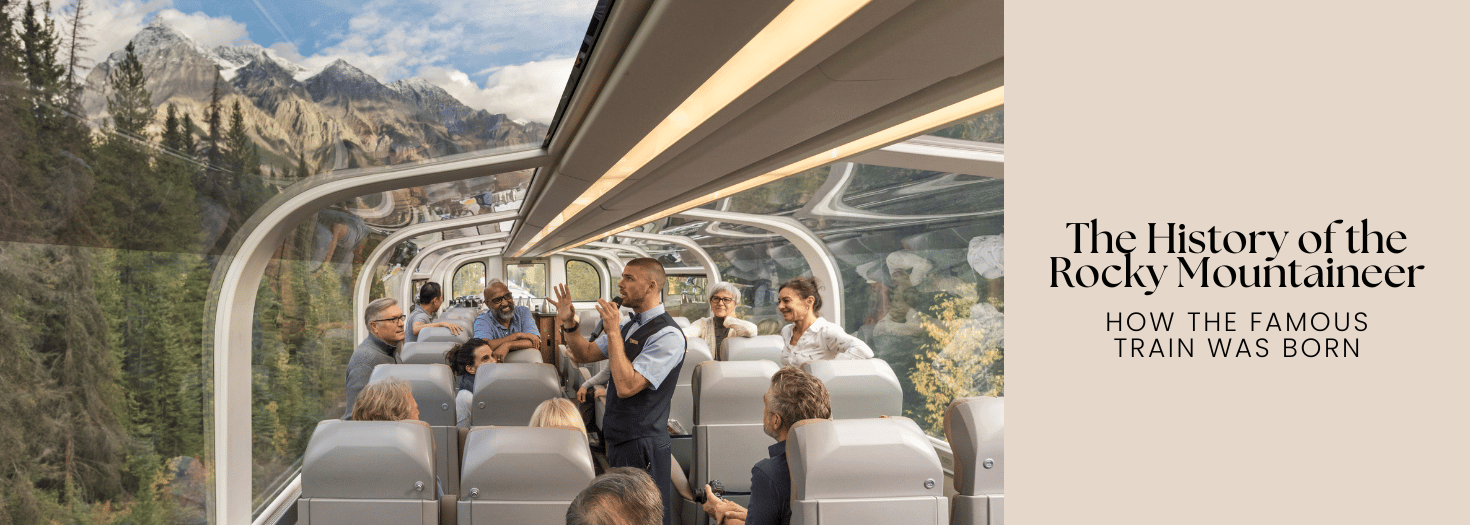
The History of the Rocky Mountaineer: How the Train Was Born
Table of Contents
- When Did the Rocky Mountaineer Start?
- Before Luxury Rail: Canada’s Original Transcontinental Dream
- The Unexpected Turning Point
- The Launch of a New Kind of Train
- How the Rocky Mountaineer Became a Global Icon
- A New Chapter
- Why the Rocky Mountaineer Story Still Resonates
- Rocky Mountaineer History: A Quick Timeline
- FAQs
If you’ve ever wondered about the history of the Rocky Mountaineer, it begins long before glass-domed carriages and Champagne breakfasts became the highly-coveted norm. The story winds through Canada’s storied railway heritage, tourism reinvention, and one very clever idea: that the journey itself could become the main event. Today, the train is synonymous with slow travel and cinematic scenery – but the Rocky Mountaineer’s history is surprisingly modern.
When Did the Rocky Mountaineer Start?
The short answer is 1990, but the long answer is far more interesting.
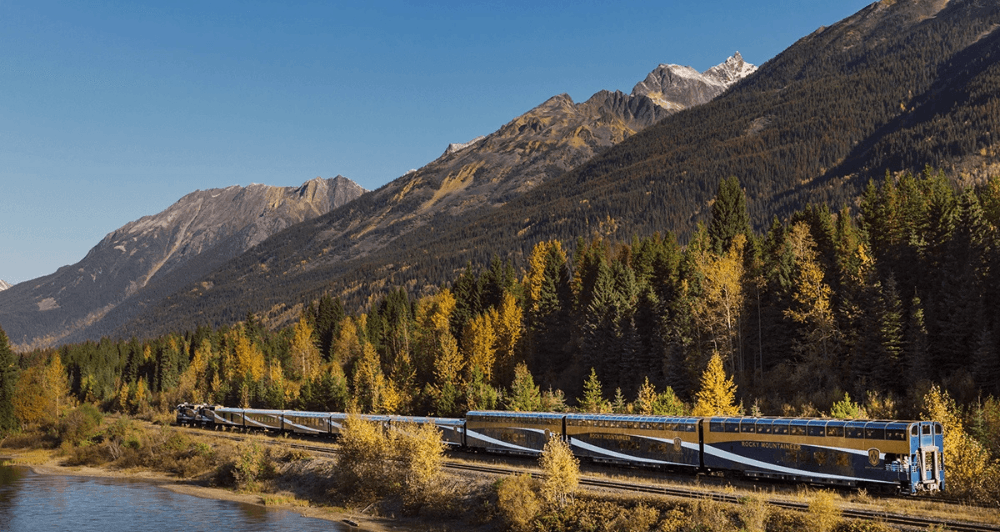
The inaugural journey of Rocky Mountaineer departed on 7th June 1990, carrying just 72 passengers through the Canadian Rockies. It’s hard to imagine now, considering the train would grow into one of the world’s most recognisable luxury rail experiences, but the seeds were planted decades earlier.
Before Luxury Rail: Canada’s Original Transcontinental Dream
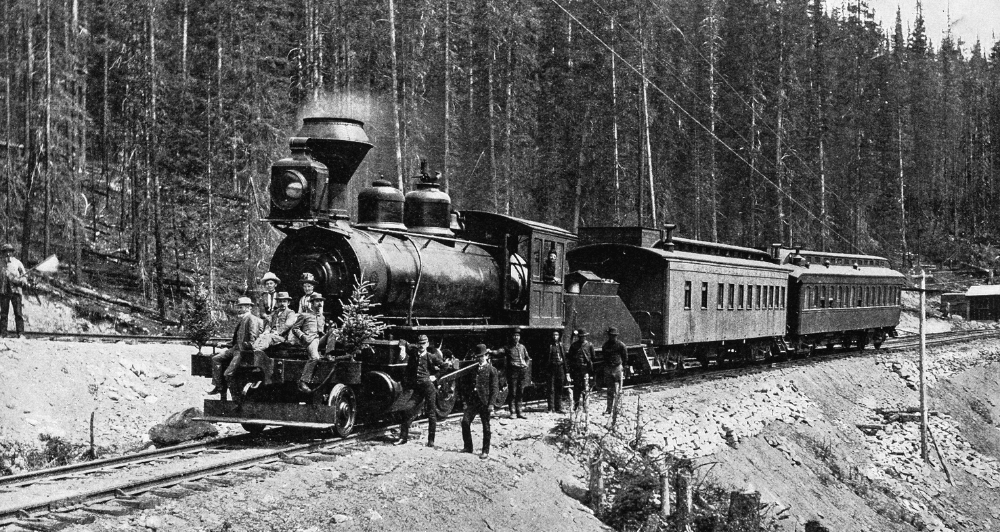
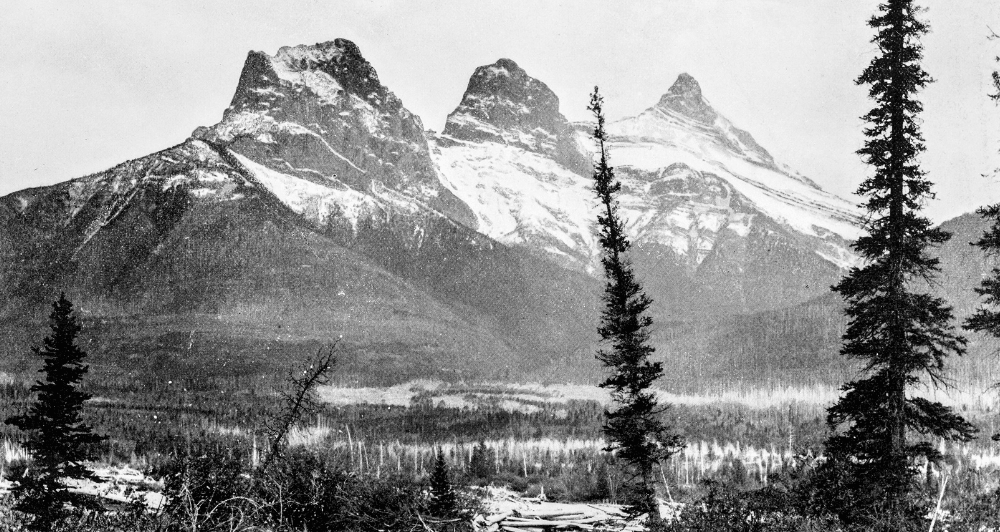
To understand Rocky Mountaineer history, you need to rewind to the late 1800s, when railways stitched Canada together coast to coast. The Canadian Pacific Railway (CPR) completed the first transcontinental line in 1885, a monumental project that transformed travel across the country.
Back then, trains weren’t about indulgence at all really. They were about survival, trade, and connecting remote communities, but travellers quickly realised the obvious: the journey through the Rockies was staggeringly beautiful. Early tourists began riding the rails purely for the scenery – arguably the first hint of the experience Rocky Mountaineer would later perfect.
The Unexpected Turning Point
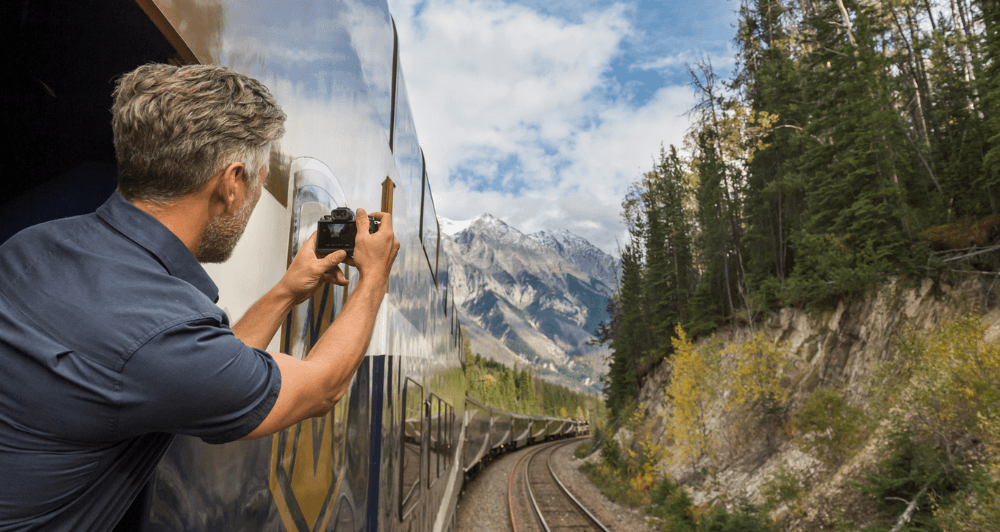
Fast forward to the 1980s and passenger rail travel in Canada had declined sharply – scenic rail tourism was fading into nostalgia. Then came Expo 86 in Vancouver, a world fair that suddenly sparked international interest in Western Canada.
Tourism leaders spotted a golden opportunity: visitors loved the Rockies, but - as long drives and basic rail services weren’t cutting it - what if a train could be redesigned entirely around sightseeing? This was the moment the Rocky Mountaineer concept was born.
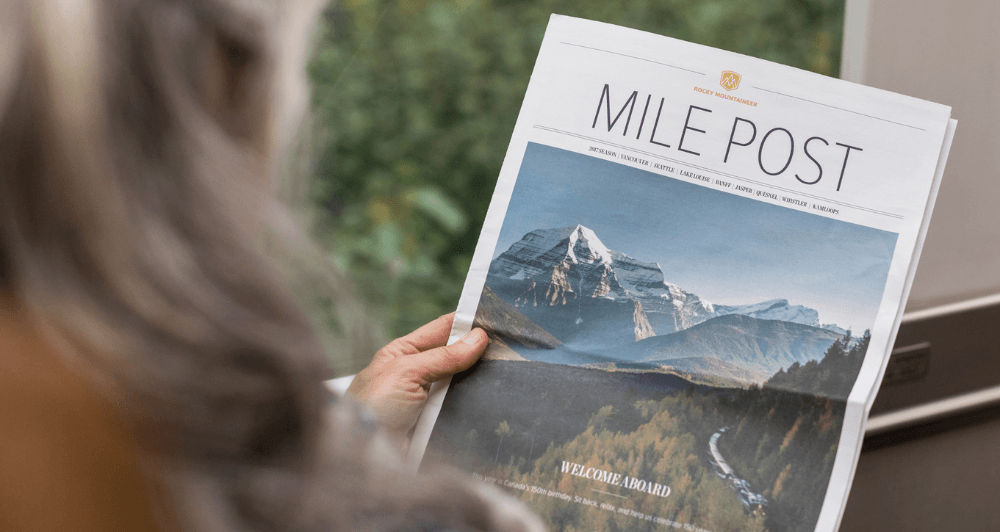
The Launch of a New Kind of Train
When the Rocky Mountaineer started in 1990, it was unlike anything running in North America. Instead of sleeper cabins and overnight journeys, the train adopted a clever twist:
Daylight-only travel so guests never miss the scenery
Hotel stays overnight in charming mountain towns
Glass-domed carriages designed for panoramic views
Fine dining and storytelling on board
It was less transportation, more moving theatre, and it worked immediately. That first season sold out.
How the Rocky Mountaineer Became a Global Icon
The early 1990s proved the idea had serious legs… or wheels. New routes linked Vancouver with Jasper, Banff and Lake Louise, and demand surged as word spread among travellers who preferred landscapes served with linen tablecloths.
The introduction of GoldLeaf Service in 1995 changed everything all over again. The bi-level glass dome coaches became the train’s signature look – equal parts observatory and dining room. So, by the 2000s, the Rocky Mountaineer had become a bucket-list experience, regularly winning global travel awards and drawing visitors from across Europe, Australia and the UK.
A New Chapter
Amazingly, Rocky Mountaineer history didn’t stop at the Canadian border. In 2021, the company launched its first US route: Rockies to the Red Rocks, connecting Denver and Moab. The move proved the concept was portable – scenic rail, luxury touches, and daylight-only journeys translate beautifully to Utah’s desert drama.
Why the Rocky Mountaineer Story Still Resonates
Part of the magic behind the history of the Rocky Mountaineer is its timing. It arrived just as travellers began craving slower and more immersive ways to see the world.
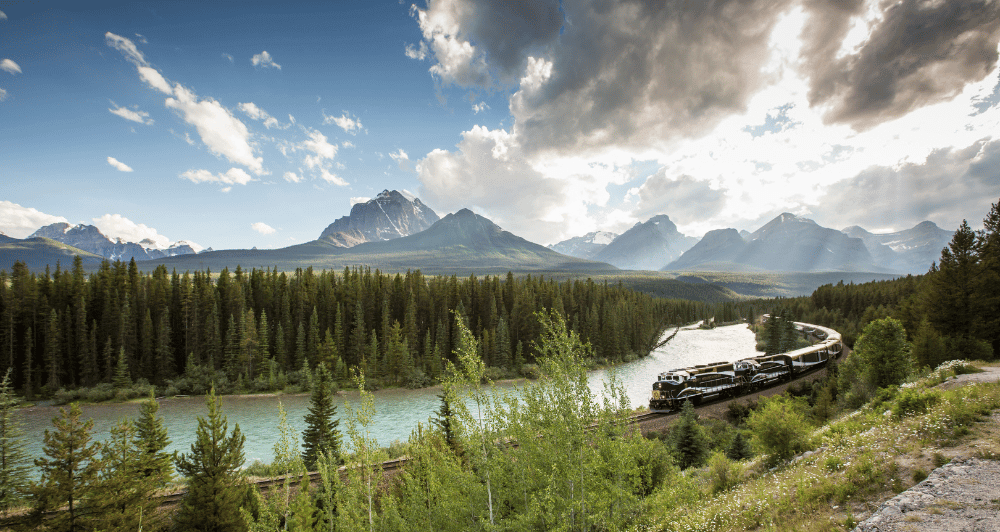
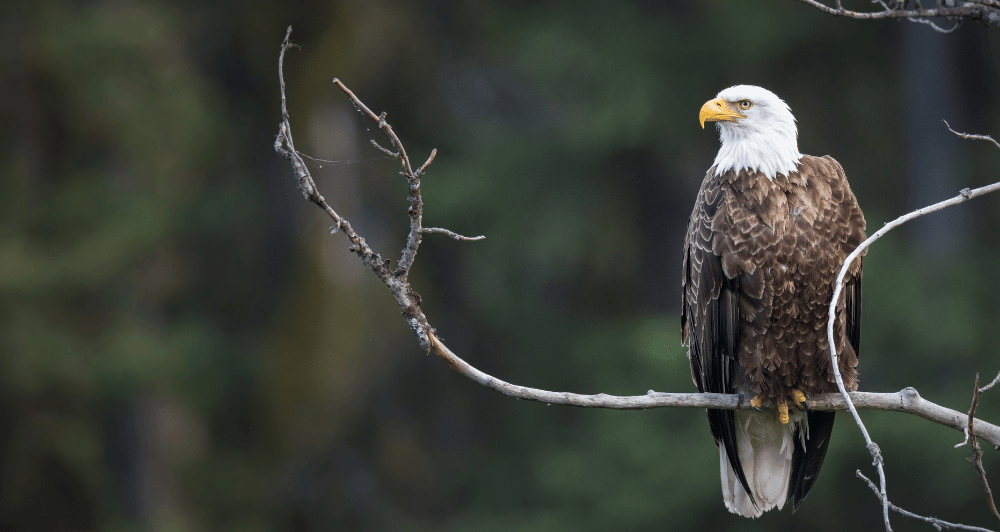
Instead of rushing between destinations, the train made the landscape the star of the show. Think towering peaks, turquoise rivers, bald eagles overhead – never rushed, and all enjoyed with a glass of BC wine in hand and zero stress about driving.
In other words, the train reimagined what modern rail could be, as well as reviving this style of travel altogether.
Rocky Mountaineer History: A Quick Timeline
1986: Expo 86 sparks tourism revival in Western Canada
1990: Rocky Mountaineer launches with 72 passengers
1995: GoldLeaf glass-dome coaches debut
2000s: Rapid global growth and multiple Canadian routes
2021: Expansion into the USA (Denver–Moab)
Today, millions of guests later, the idea of the Rocky Mountaineer remains refreshingly simple: slow down, look out the window, and let the landscape do the talking. A surprisingly modern success story built on 19th-century tracks.
FAQs
When did the Rocky Mountaineer start?
The first journey departed on 7th June 1990, carrying just 72 passengers through the Canadian Rockies. It was created to turn the train journey itself into the highlight, rather than simply a way to get from A to B.
Who owns the Rocky Mountaineer?
The train is operated by Rocky Mountaineer, a privately owned luxury rail company based in Vancouver, Canada.
Where does the Rocky Mountaineer travel?
The train runs scenic routes in Western Canada and the American Southwest. Popular journeys connect Vancouver with Banff, Lake Louise and Jasper, while the US route links Denver and Moab.
Does the Rocky Mountaineer run overnight?
No, and that’s very intentional. The train only ever travels during daylight hours so guests never miss the passing scenery. Evenings are spent in hotels in mountain towns along the route.
What is the difference between the Rocky Mountaineer's SilverLeaf and GoldLeaf Service?
- SilverLeaf Service: Single-level glass-dome carriage, meals served at your seat.
- GoldLeaf Service: Bi-level glass-dome carriage with a dedicated dining room and outdoor viewing platform.
GoldLeaf is the signature experience and the one most travellers picture.
What makes the Rocky Mountaineer different from other trains?
The Rocky Mountaineer is different to other trains as it is designed purely for sightseeing and comfort, rather than transport. Expect panoramic windows, regional cuisine, storytelling hosts and routes chosen for maximum drama.
Is the Rocky Mountaineer a luxury train?
Yes, the Rocky Mountaineer is widely considered one of the world’s leading luxury rail experiences, combining premium service, gourmet dining and hotel stays with spectacular scenery.
Related Articles
You May Also Like





Why Destinology?






Our Travel Partners
Sign up to receive
exclusive offers by post.
Join our postal mailing list to unlock a world of exclusive travel content. From special offers and VIP access to new launches, to expert advice and exciting ideas for your next getaway, we’ve got holiday inspiration covered. Start your Destinology journey today.
Sign Up

Destinations

TRAVEL AWARE – PREPARING FOR SAFE AND HEALTHY TRAVEL ABROAD
The Foreign, Commonwealth & Development Office (FCDO) provide the latest travel advice by country including safety and security, entry requirements, travel warnings and health. For the latest FCDO advice please refer to travelaware.campaign.gov.uk
Current travel health information can be found by visiting travelhealthpro.org.uk/ a resource set up by the Department of Health. The advice can change on all sites so please check regularly for updates.
