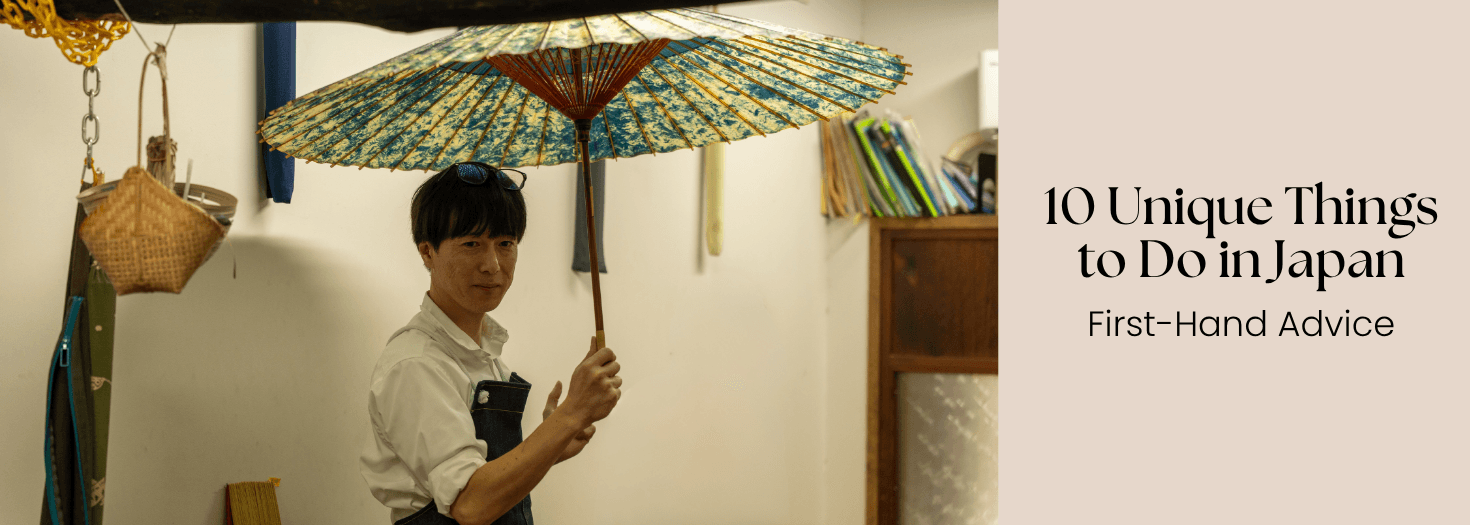
10 Unique Things to Do in Japan
Table of Contents
- Unique Things to Do in Japan: A Whistle-Stop Guide
- 1. Make a Traditional Japanese Paper Umbrella in Nagaragawa, Gifu
- 2. Explore Gujo Hachiman’s Waterways and Try Making Japanese Food Samples
- 3. Join the Dance at Gujo Odori in Gujo Hachiman
- 4. Walk to Nagataki Hakusan Shrine and Amidagataki Falls
- 5. Step Inside a Traditional Farmhouse in Shirakawago
- 6. Discover Kaga-Yuzen Silk Dyeing in Kanazawa
- 7. Watch Traditional Cormorant Fishing on the Nagara River, Gifu
- 8. Take a Traditional Tea Ceremony at Kenrokuen Garden, Kanazawa
- 9. Go Bar-Hopping Through Kanazawa’s Local Food Scene
- 10. Take an Evening Food Tour Through Tenma, Osaka
- How to Fit These Unique Experiences Into a Japan Itinerary
- A Few Things Worth Considering When Planning
- FAQs
Japan's famous sights deserve their reputation. Tokyo's neon-lit streets, Kyoto's temples and Osaka's food scene are brilliant places to start, especially if you're visiting for the first time. But what if you're looking for unique things to do in Japan, something a little different to the itinerary? A night watching traditional fishing on a river, a workshop with a Japanese artisan, or perhaps a walk through a historic village where life moves at an altogether slower pace?
Some of the most rewarding experiences in Japan take you beyond the familiar Golden Route and into the country's smaller towns, rural landscapes and regional traditions. And it’s here that you can learn how a paper umbrella is made, join a centuries-old dance, discover the stories and skill behind a traditional kimono or sit down to try dishes you might never find on a typical tourist menu.
During a 12-night trip organised by Essential Japan, I explored this side of the country with Amelia, one of our Personal Travel Concierges at Destinology. We visited the Nagara River region and Gujo Hachiman in Gifu, stopped at the traditional village of Shirakawago and spent time in Kanazawa before extending our stay to Kyoto and Osaka.
And the experiences we tried along the way gave us plenty of inspiration to share with clients. For me, the appeal lies in the chance to understand a place rather than simply see its surface; for Amelia, experiencing destinations first-hand helps her recommend the right experiences to clients with different interests and travel styles.
If you're looking for unique things to do in Japan, these are 10 recommendations worth considering, including where to find them, why they're worth your time and how to fit them into a wider itinerary.
Unique Things to Do in Japan: A Whistle-Stop Guide
- Cormorant fishing on the Nagara River, Gifu
Best for: culture lovers, history enthusiasts and travellers curious about Japan’s ancient traditions.
- Make a traditional Japanese paper umbrella in Nagaragawa, Gifu
Best for: creative travellers, craft enthusiasts and anyone who loves bringing home a meaningful souvenir.
- Explore Gujo Hachiman’s waterways and make Japanese food samples
Best for: curious foodies, families with older children and travellers who enjoy hands-on cultural experiences.
- Join Gujo Odori in Gujo Hachiman
Best for: social travellers, music and dance lovers and anyone keen to experience local life rather than simply observe it.
- Visit Nagataki Hakusan Shrine and Amidagataki Falls
Best for: nature lovers, photographers and travellers looking to discover Japan’s quieter countryside.
- Explore a traditional farmhouse in Shirakawago
Best for: architecture enthusiasts, history lovers and anyone interested in traditional Japanese rural life.
- Try Kaga-yuzen silk dyeing in Kanazawa
Best for: art lovers, design enthusiasts and travellers interested in Japan’s traditional craftsmanship.
- Experience a traditional tea ceremony in Kanazawa
Best for: first-time visitors, culture seekers and anyone wanting a deeper appreciation of Japanese customs.
- Go bar-hopping in Kanazawa
Best for: foodies, couples and travellers who want to discover regional dishes and local drinking culture.
- Join an evening food tour through Tenma, Osaka
Best for: adventurous eaters, sociable travellers and anyone keen to explore Osaka’s food scene beyond its best-known streets.
1. Make a Traditional Japanese Paper Umbrella in Nagaragawa, Gifu
Best for: hands-on cultural experiences, art lovers and curious travellers.
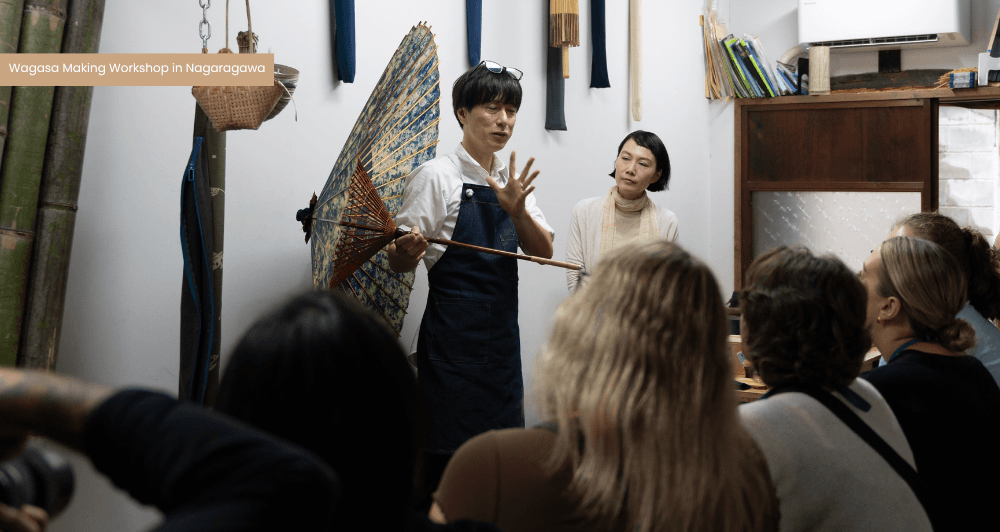
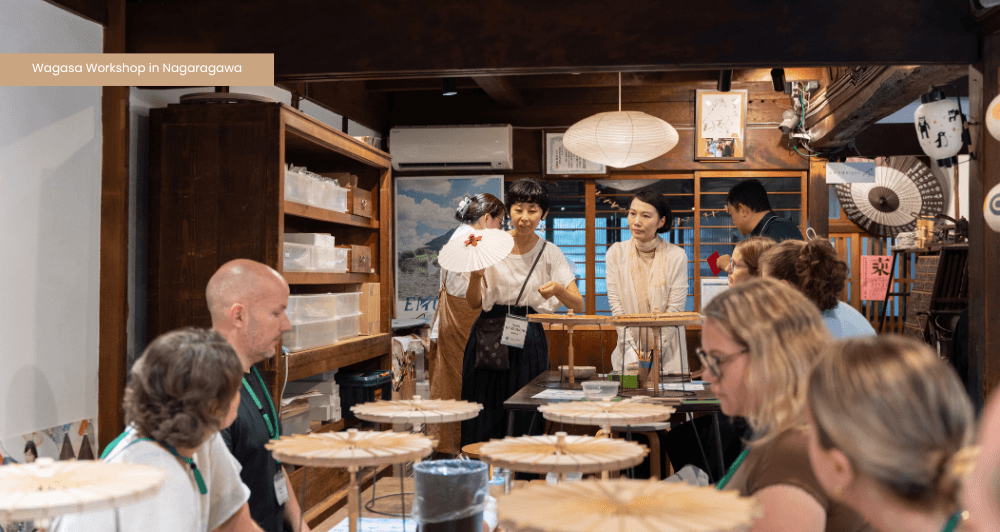
Japanese wagasa are traditional paper umbrellas made using materials such as bamboo and washi paper. Their elegant appearance makes them easy to admire, but watching one being made reveals just how much skill goes into the finished piece.
A workshop offers the chance to learn about the materials, construction and techniques involved, often with an artisan explaining the details that might otherwise go unnoticed. Depending on the experience available, you may also get to try making a small version yourself.
Why we recommend it: During our visit to the Nagaragawa area, we explored a wagasa and paper-lantern workshop and had the chance to make our own mini umbrella. I was struck by the precision required at every stage. One of the artisans was so passionate about her work that she became emotional when someone praised her dedication. It was a lovely reminder that these traditions are kept alive by people who have devoted years to perfecting their craft.
For Amelia, experiences like this are particularly useful to know about when advising clients who enjoy art, design and learning a new skill while travelling. It's also a lovely option for couples or families with older children who prefer getting involved to simply looking around, and are looking for more unique things to do in Japan.
Where to include it: Seek out a guided wagasa-making experience in the Nagaragawa or wider Gifu region. These are specialist activities rather than something to assume will be available as a walk-in workshop, so arrange the visit in advance.
2. Explore Gujo Hachiman’s Waterways and Try Making Japanese Food Samples
Best for: slow exploration, local food culture and travellers who enjoy unusual workshops.
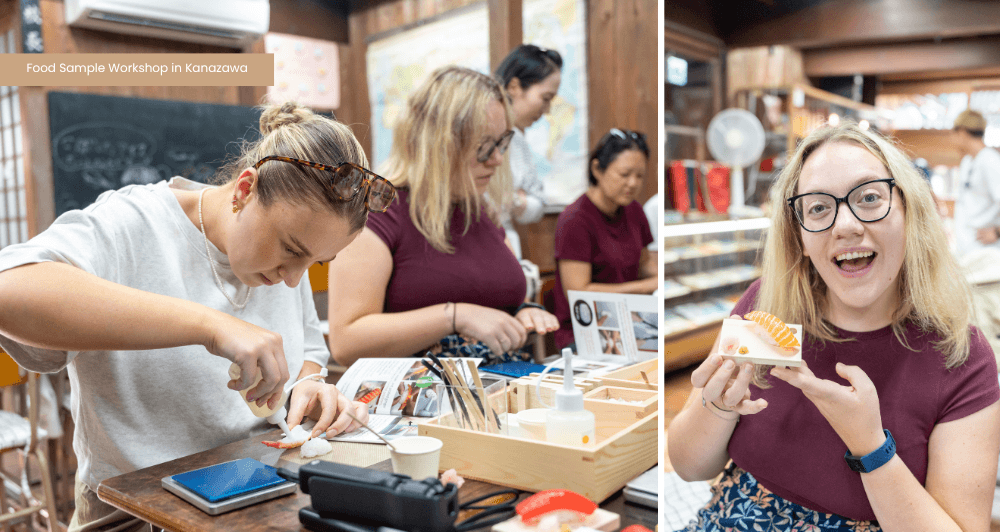
Gujo Hachiman is a historic town in Gifu Prefecture known for its astoundingly clear waterways, traditional streets and relaxed atmosphere. Water channels run alongside houses and shops, so they’re an integral part of the town's character rather than simply a scenic feature. It's a wonderful place to explore on foot. Wander through the historic centre, stop at local shops and take your time noticing the details. Gujo Hachiman is also known for its food sample-making industry, which produces the incredibly realistic plastic dishes displayed outside restaurants across Japan.
A food sample workshop like Sample Kobo gives you a chance to discover how these miniature masterpieces are created. The level of detail is extraordinary, and it's a playful way to explore a distinctly Japanese craft. If you choose Sample Kobo, there’s also a very extensive retro museum attached, which makes for a fascinating exploration once you’re done making your sample.
Why we recommend it: Gujo Hachiman was one of the biggest surprises of our trip. Amelia and I absolutely loved how different it felt from the major cities, and the combination of traditional streets, waterways and local crafts gave us plenty to explore without needing a jam-packed schedule. The food sample-making tradition is a very interesting option if you're researching unique things to do in Japan; it's one of those things you perhaps hardly notice outside a restaurant until you understand the skill behind it.
Where to include it: Gujo Hachiman is a particularly good stop when travelling through central Japan between Gifu, Shirakawago and Kanazawa. Allow time to explore the town and arrange a workshop if you'd like to try food sample-making yourself.
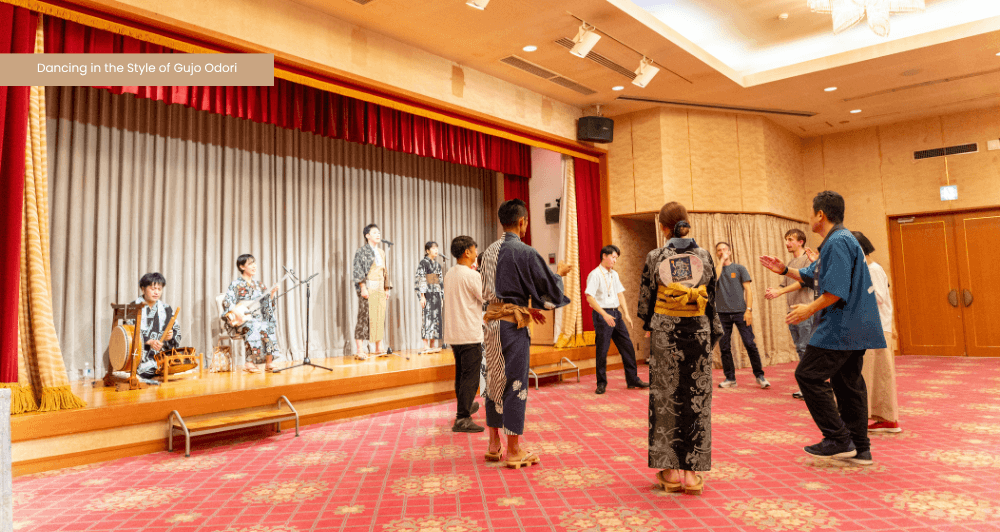
3. Join the Dance at Gujo Odori in Gujo Hachiman
Best for: lively cultural experiences and travellers who enjoy joining in.
Gujo Odori is one of Gujo Hachiman's best-known traditions: a dance festival with roots stretching back centuries. People gather in circles to dance to live music, accompanied by instruments including the flute, taiko drum and shamisen, a traditional three-stringed instrument.
Unlike a performance where visitors are expected to watch quietly, Gujo Odori openly invites participation. The steps (and I’ve tried them myself, so I can vouch for this) are straightforward enough for newcomers to follow, making it a brilliant opportunity to get involved in local culture.
Why we recommend it: We were lucky enough to be joined by the dancers for dinner one evening during a recent trip, so even though the festival wasn’t actually on, we could still join in with the dancing ourselves and it was surprisingly easy to get swept up in the atmosphere. I'm not claiming to have mastered the steps, but that wasn't really the point. It was a chance to take part in a tradition that continues to bring people together rather than just watching it from the sidelines.
This is the kind of experience Amelia can recommend to clients who want a more interactive holiday, particularly those who enjoy meeting people and getting stuck in with local customs.
Where to include it: Gujo Hachiman, Gifu Prefecture. The main dance festival takes place during specific periods, so check the festival calendar before booking. If your dates don't coincide, you can still explore the town's dance heritage and ask about any cultural demonstrations available during your stay.
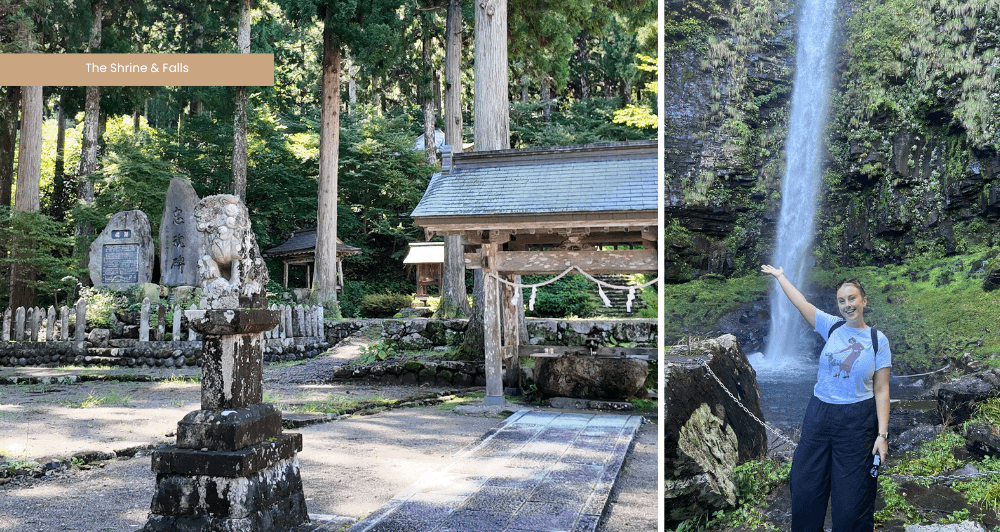
4. Walk to Nagataki Hakusan Shrine and Amidagataki Falls
Best for: nature lovers, walkers and travellers looking to escape the crowds.
For a different side of Gifu, head into the countryside around Gujo Hachiman. Nagataki Hakusan Shrine sits in a peaceful, abundantly green setting and gives you a chance to learn about Hakusan mountain worship and the spiritual traditions associated with the surrounding landscape.
From there, the wider area offers walking opportunities towards Amidagataki Falls, a striking waterfall reached through forested countryside. The route and conditions can vary, so local guidance is important, particularly after rain or when water levels are high.
Why we recommend it: A couple of our group chose a walking excursion rather than the e-bike route during our visit, joining our guide, Joshua, who lives locally, to explore the area. At Nagataki Hakusan Shrine, he explained the purification ritual of washing your hands and face before entering. The surroundings were almost silent, save for birdsong and rustling leaves.
Later, the river had overtaken part of the path towards Amidagataki Falls, so we took off our shoes and socks and paddled through freezing water to continue and it became one of those travel memories that will stay with me. I remember thinking how unlikely it was that anyone else from my little corner of England had ever stood in that exact spot. This is the sort of excursion that could suit travellers looking for unique things to do in Japan, who enjoy being outdoors and don't mind a little adventure.
Where to include it: The countryside around Gujo Hachiman in Gifu. Arrange transport and local guidance in advance, and check current trail conditions before setting out. This is best suited to travellers comfortable with uneven terrain and potentially challenging walking conditions.
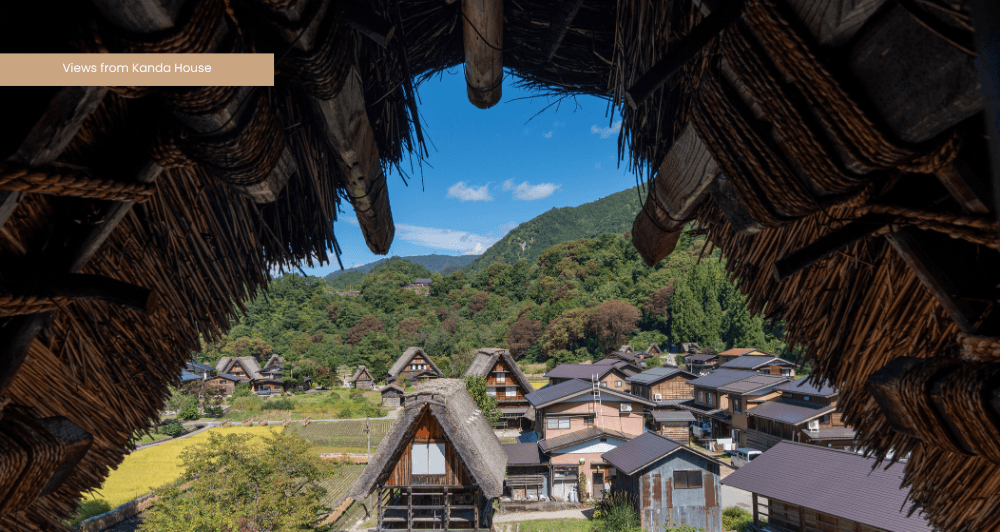
5. Step Inside a Traditional Farmhouse in Shirakawago
Best for: history lovers, architecture enthusiasts and photographers.
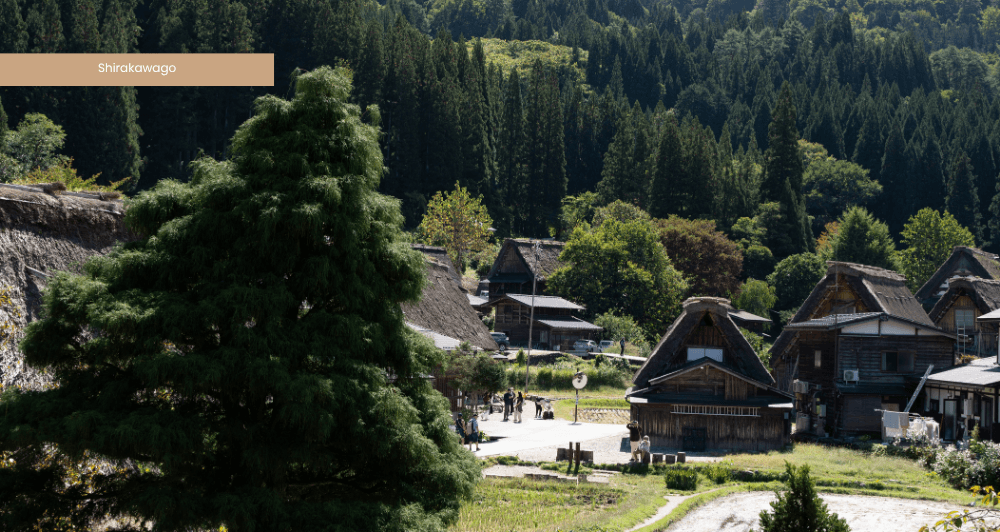
Shirakawago is famous for its gassho-zukuri farmhouses, recognisable by their steeply pitched roofs designed to cope with heavy snowfall. The village is often photographed from above, but taking the time to explore the buildings themselves makes the visit much more rewarding.
There are various homes you can enter that are set up in a historically accurate way, but our guide’s favourite is Kanda House. Here you can see how a traditional farmhouse was arranged and learn about the tools, objects and practical skills that supported rural life. The buildings offer insight into the way families lived and worked, shaped by the climate and resources available to them.
Why we recommend it: We visited Kanda House during our journey towards Kanazawa, and I loved seeing the everyday objects and historic details inside. We also learned how smoke from the central hearth helps strengthen the timber over time. It was fascinating to see how the architecture responds to practical needs, rather than just being designed to look beautiful. The village is also a living community, so it's important to respect residents and follow local guidance while exploring.
Where to include it: Shirakawago, in Gifu Prefecture. It works particularly well as a short, half-day stop between the Gifu region and Kanazawa, giving you a chance to experience traditional rural architecture along the way. There’s a coach/bus stop and space for luggage storage, so it’s all set up to be enjoyed en route to your next location.
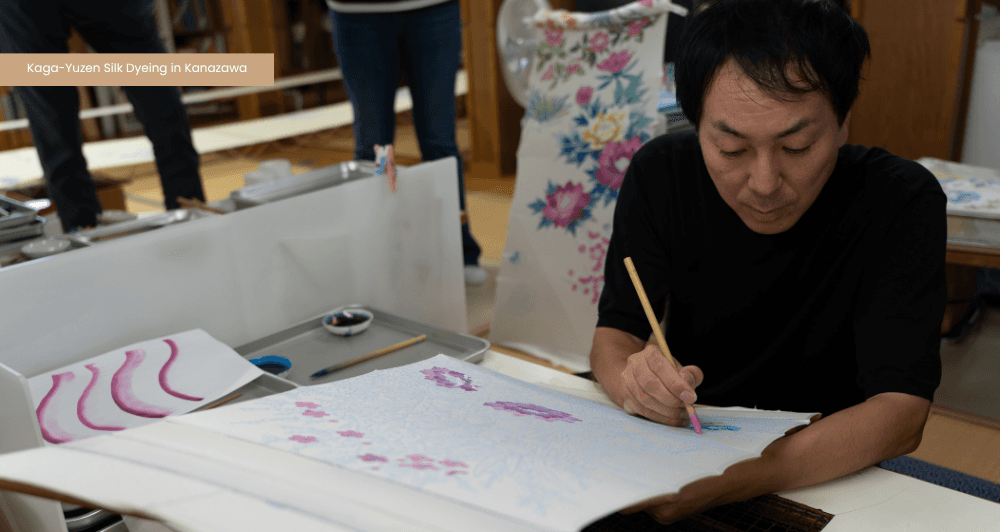
6. Discover Kaga-Yuzen Silk Dyeing in Kanazawa
Best for: fashion, design, art and traditional Japanese craftsmanship.
Kanazawa has a very rich craft heritage, and one of its most distinctive traditions is Kaga-yuzen, a silk-dyeing technique associated with kimono-making. The process involves intricate designs and careful application of colour, with skilled artisans creating patterns that can take an extraordinary amount of time to complete.
A guided workshop or demonstration offers a chance to understand the stages involved and appreciate the work behind the finished garment. Even if you're not particularly interested in fashion, it's an impressive example of how traditional skills continue to shape a destination's identity.
Why we recommend it: During our visit, we learned about the craft and saw more of the work involved in creating a kimono. I came away with a much greater appreciation of the time, precision and knowledge required. A kimono can look effortless when worn, but the artistry behind the fabric and pattern is extraordinary – as is the skill to put one on properly! Amelia and I both found these kinds of hands-on cultural experiences valuable because, aside from being unique things to do in Japan, they give you something to take away beyond photographs. They're particularly good for travellers who want to understand local heritage from the people who live it daily.
Where to include it: Kanazawa, Ishikawa Prefecture. Look for a Kaga-yuzen workshop or artisan demonstration and arrange it in advance, as access to working studios and hands-on activities can vary.
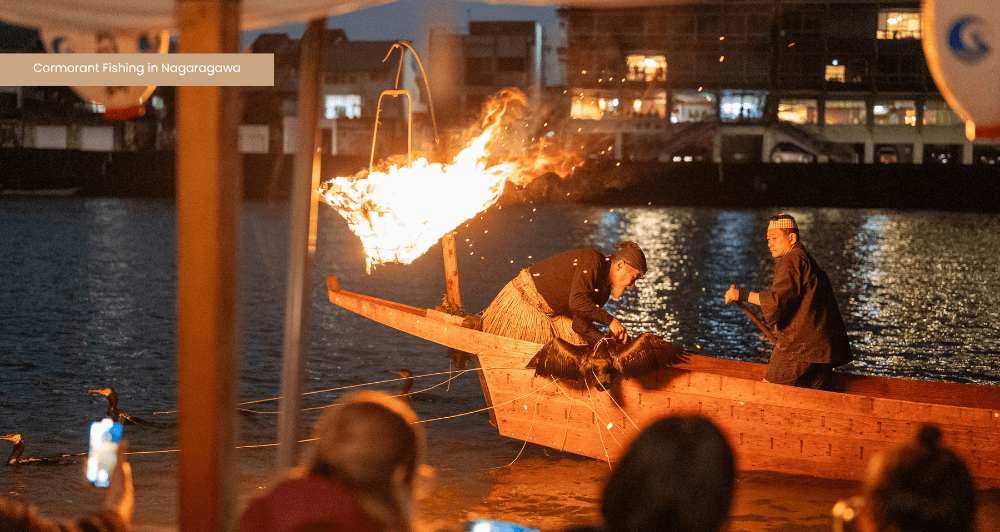
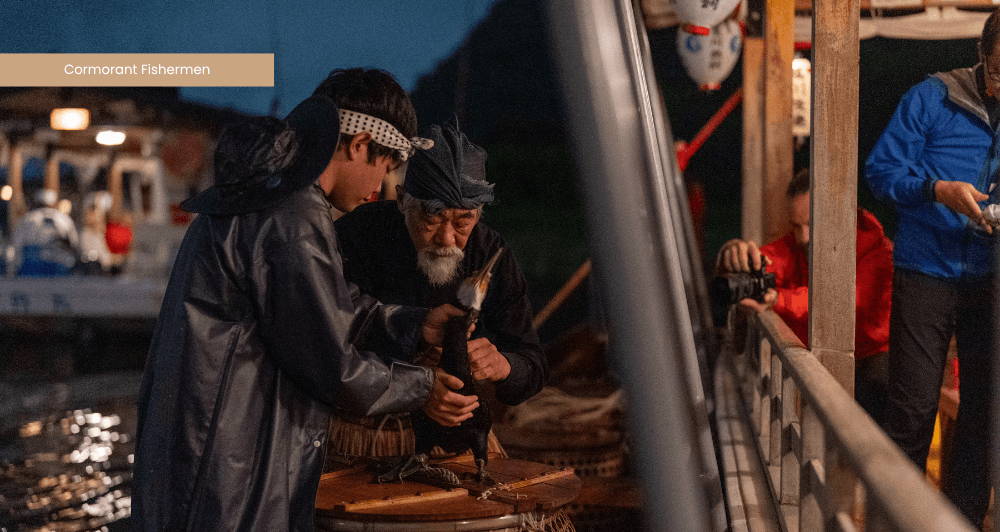
7. Watch Traditional Cormorant Fishing on the Nagara River, Gifu
Best for: cultural experiences, evening excursions and travellers interested in Japanese history.
One of the most distinctive experiences in Gifu is ukai, the traditional practice of fishing with trained cormorants. On the Nagara River this centuries-old tradition takes place after dark, when six fishing boats holding six fishermen from the area’s six fishing families head out onto the water with small bonfires illuminating the river.
There’s a whole science and history behind it, so the experience is best enjoyed once you’ve visited the local cormorant fishing museum. You’ll find it holds much more meaning than simply watching the birds catch fish.
Why we recommend it: We watched the fishing from a boat on the Nagara River, with dinner served on board and local geisha culture adding to the evening. It was atmospheric, memorable and a completely different way to experience Japan after dark. Amelia and I both came away with a greater appreciation of the area's heritage.
Though this could well top a list of unique things to do in Japan, we are aware that this activity may raise concerns about the welfare of the cormorants. To anyone unsure of the activity, we'd advise that it's worth learning about the relationship between the birds and their handlers, who care for them throughout the year, before deciding whether or not to attend. You can do so in advance before visiting, or by exploring the cormorant fishing museum in the local area once you’ve arrived.
Where to include it: Look for seasonal cormorant fishing experiences in the Nagaragawa area of Gifu. The fishing operates during a defined date range, so check your timings and availability when planning your trip.
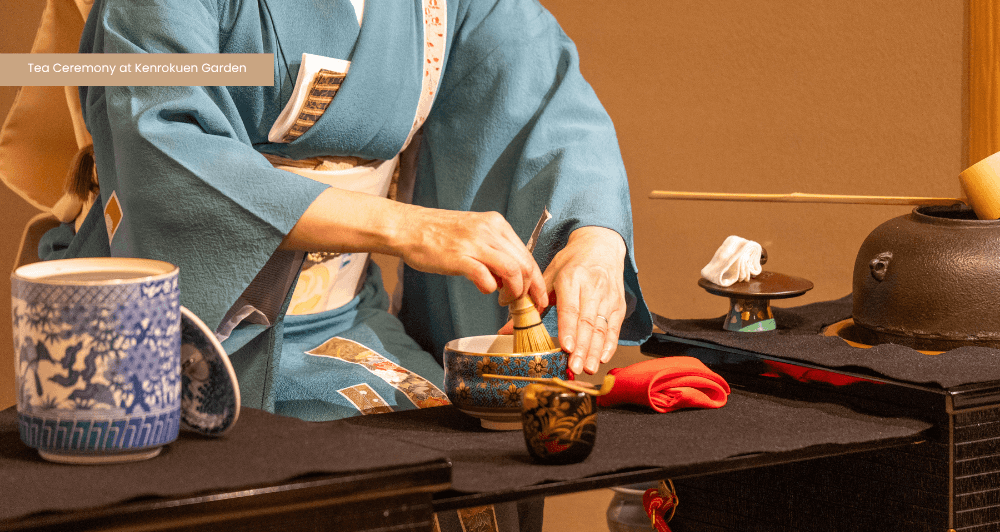
8. Take a Traditional Tea Ceremony at Kenrokuen Garden, Kanazawa
Best for: cultural immersion, gardens and a slower-paced afternoon.
Kenrokuen is one of Japan's most celebrated gardens, with beautiful ponds, bridges, carefully shaped trees and seasonal scenery that makes it rewarding to visit throughout the year. Pairing a visit with a traditional tea ceremony within its grounds is a lovely way to experience another aspect of Kanazawa's heritage.
During a tea ceremony, the preparation and serving of matcha follow a series of deliberate movements, each with its own significance. It's an opportunity to slow down and appreciate the attention given to even the smallest details – and it’s incredibly relaxing.
Why we recommend it: We’d experienced a tea ceremony earlier on in our Japan trip, but the one we took part in at Kenrokutei was particularly memorable because each step was explained so beautifully and in such detail. We even tried whisking our own matcha. I loved learning about the ritual rather than just watching it happen or having it served directly to me, and the calm atmosphere made a welcome change from a busy day of sightseeing.
It's an experience I'd recommend to anyone curious about Japanese culture, especially those who enjoy a calmer, quieter activity between more active or busy excursions.
Where to include it: Kenrokutei, by Kenrokuen Garden in Kanazawa. Combine the ceremony with time exploring the garden and the city's historic districts. Check availability and arrange the experience ahead of your visit.
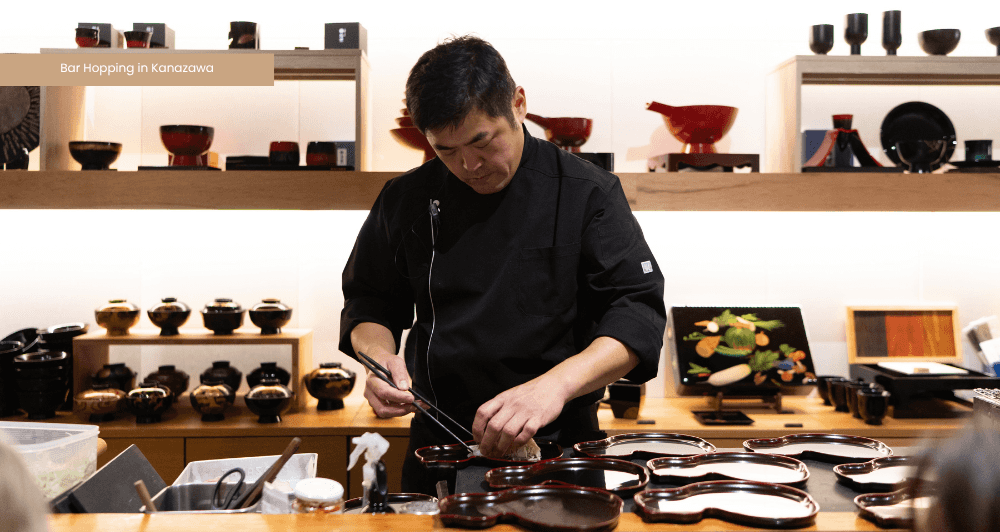
9. Go Bar-Hopping Through Kanazawa’s Local Food Scene
Best for: food lovers, couples and travellers who enjoy exploring after dark.
Kanazawa is a brilliant destination for food, with regional specialities and restaurants that provide a different perspective on Japanese dining. A guided evening food tour or bar-hopping experience is a great way to sample several places in one night while learning more about the local food culture.
One stop worth knowing about is CRAFEAT, where you can opt for a chef's-table-style experience with dishes served in beautiful lacquered wooden boxes. The presentation reflects Kanazawa's wider craft heritage, making the meal as interesting to look at as it is to eat.
Miyuki Honten is another place to look into for traditional local food. A guided tour can also help you discover smaller restaurants where the chefs prepare dishes in front of you or where you cook ingredients at the table.
Why we recommend it: Amelia and I visited CRAFEAT during our bar-hopping evening, and the lacquered boxes were so beautiful that we all wanted to take them home. We also visited Miyuki Honten and a tiny restaurant where we cooked Hida beef at the table beneath large chimney-style extractors, with chefs preparing various other dishes right in front of us. We finished the night with karaoke – a pretty good way to end an evening in Japan.
Though bar hopping isn't necessarily one of the most unique things to do in Japan, a guided tour that includes dining too holds a lot of value. You don't have to work out where to go or what to order on your own; you can try different dishes, discover neighbourhood favourites and enjoy the evening like a local, without worrying about the language barrier.
Where to include it: Kanazawa. Ask about a guided bar-hopping or local food tour, and mention any restaurants you'd particularly like to visit. Availability and the stops included will depend on the tour.
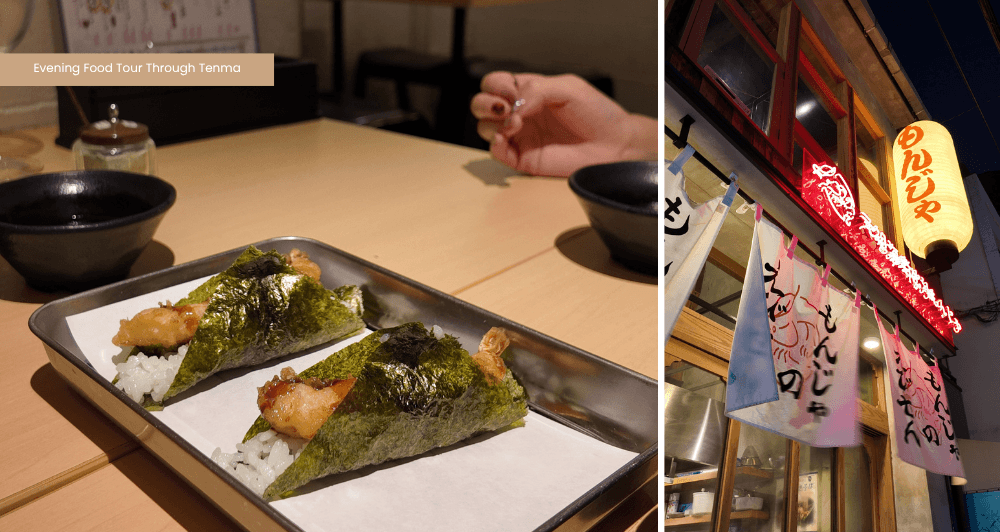
10. Take an Evening Food Tour Through Tenma, Osaka
Best for: adventurous eaters, nightlife and travellers keen to see a more local side of Osaka.
Osaka is famous for its food, but there's a difference between trying a few well-known dishes and getting a feel for how the city really eats. Tenma is a lively area to explore and one only really favoured by locals. It’s home to many small eateries, izakayas and neighbourhood spots that are particularly appealing in the evening, but would prove rather difficult for an outsider to choose between.
A guided food tour can take you to several venues and introduce you to dishes and dining traditions you might not discover on your own. It's also a good way to learn a little about the neighbourhood as you go.
Why we recommend it: Our private evening tour took us to three izakayas around Tenma, with local dishes along the way and yakiniku to finish. We were shown a side of Osaka we would have missed if we'd simply followed a list of popular restaurants, as Tenma is a train or underground ride from the ‘main’ area of the city. The guide made it easy to try different things, and the evening had a really relaxed and sociable feel.
I'd recommend this experience to anyone who plans holidays around food, or who wants to explore Osaka beyond the bright lights of Dotonbori. It's a great way to spend an evening, particularly if you enjoy trying lots of different dishes rather than committing to one long restaurant meal.
Where to include it: Tenma, Osaka. Look for a guided evening food tour that includes several local venues, and check what food and drinks are included before booking. Pescetarian options are readily available, vegetarian have a few, but we were advised that it’s quite hard to do one of these tours as a vegan or coeliac, given the quantities of soy sauce used in traditional Japanese cooking here.
How to Fit These Unique Experiences Into a Japan Itinerary
You don't need to squeeze all 10 of these unique things to do in Japan into one holiday, though we did and it didn’t feel rushed. The best approach is to choose the experiences that appeal most to you and build the route around them, leaving enough time to properly enjoy each destination.
For a first visit, I'd combine a few nights in Tokyo with the Gifu region, Gujo Hachiman, Shirakawago and Kanazawa, then finish in Kyoto and Osaka. This gives you the classic city experiences alongside a slower, quieter, more local perspective.
If you've already visited the Golden Route, you could even choose to spend longer in Gifu and Ishikawa Prefecture, exploring the countryside, traditional crafts and regional food in more depth.
A Few Things Worth Considering When Planning
- Book specialist experiences ahead. Artisan workshops, tea ceremonies, guided food tours and seasonal cormorant fishing often need advance arrangements, and will book up quickly during peak times.
- Check seasonal dates. Gujo Odori and cormorant fishing operate at particular times in the year, so make sure to plan around the dates that matter to you.
- Allow time to explore. Smaller towns reward a slower pace, especially when you want to meet local makers or enjoy a guided walk. Don’t rush through the countryside.
- Think about your interests. Food lovers may prefer Kanazawa and Osaka, while active travellers might favour spending longer in the countryside around Gujo Hachiman.
- Use local expertise. A knowledgeable guide can help explain traditions, arrange access and make the most of experiences that may otherwise be difficult to organise independently.
These are the kinds of details our Personal Travel Concierges consider when helping Destinology clients to plan tailor-made holidays. First-hand experience makes it easier to explain not just what an activity involves, but who is likely to enjoy it and how it fits into the wider trip. If you’d like to plan and book a trip just like the above, make sure to ask for Amelia, or read our full blog - Japan Travel Itinerary: A Guide Beyond the Golden Route - here.
FAQs
What are the most unique things to do in Japan beyond Tokyo and Kyoto?
The most unique things to do in Japan are watching cormorant fishing on the Nagara River in Gifu, joining Gujo Odori in Gujo Hachiman, trying a wagasa-making workshop, exploring Shirakawago's traditional farmhouses or taking a guided food tour in Kanazawa. Each offers a different way to experience Japanese culture outside of the major cities.
Where can I find hidden gems in Japan?
You can find so many hidden gems in Japan in the Gifu region – Gujo Hachiman and Kanazawa are excellent places to start. They offer traditional crafts, historic streets, regional food and countryside scenery, often with fewer international visitors than the most famous destinations. Shirakawago is also a worthwhile stop when travelling through central Japan.
Are these experiences suitable for first-time visitors?
Yes, all of these experiences are suitable for first-time visitors. In fact, they’re perfect. You can combine one or two of these experiences with Tokyo, Kyoto and Osaka to create a more varied first trip, or fit as many as you like into a broader two-week-long trip. You don't need to avoid the famous sights; adding a few smaller destinations simply gives you another perspective on the country.
Do I need to speak Japanese to take part?
You don’t need to speak Japanese to visit Japan on holiday. Guided experiences can provide translation and context, which is especially useful when visiting artisan workshops or smaller towns. For independent travel, a little revision of the basics and the reliable transport plan Destinology provides will help.
How far in advance should I book cultural experiences in Japan?
It depends on the activity. Seasonal events, specialist workshops, private guides and popular food tours may need to be arranged well ahead of your visit. We can help you to check the dates and availability before finalising your itinerary.
How many days should I allow for places beyond Japan's Golden Route?
For a first trip, consider allowing three to five nights across the Gifu region and Kanazawa, depending on how many destinations and activities you want to include. A longer stay gives you more time for countryside excursions and local experiences without making the journey feel rushed.
The most unique things to do in Japan or the best hidden gems in Japan aren't always places nobody has heard of – sometimes they're just the experiences that encourage you to see a destination differently: a conversation with an artisan, a meal in a tiny local restaurant or a centuries-old tradition that is still part of everyday life.
Amelia and I came away from our trip with a much greater appreciation and understanding of how varied Japan can be, and how much there is to discover once you look beyond the usual sightseeing list. If you're planning your own holiday and looking for unique things to do in Japan, these experiences are a good starting point for building a trip that feels personal to you, whether that's centred on food, culture, nature or simply discovering somewhere unexpected.
Images are a combination of Emy & Amelia's own, plus those from the FAM tour's official photographer, Aki Okumura.
Related Articles
You May Also Like






Why Destinology?






Our Travel Partners
Sign up to receive
exclusive offers by post.
Join our postal mailing list to unlock a world of exclusive travel content. From special offers and VIP access to new launches, to expert advice and exciting ideas for your next getaway, we’ve got holiday inspiration covered. Start your Destinology journey today.
Sign Up

Destinations

TRAVEL AWARE – PREPARING FOR SAFE AND HEALTHY TRAVEL ABROAD
The Foreign, Commonwealth & Development Office (FCDO) provide the latest travel advice by country including safety and security, entry requirements, travel warnings and health. For the latest FCDO advice please refer to travelaware.campaign.gov.uk
Current travel health information can be found by visiting travelhealthpro.org.uk/ a resource set up by the Department of Health. The advice can change on all sites so please check regularly for updates.
