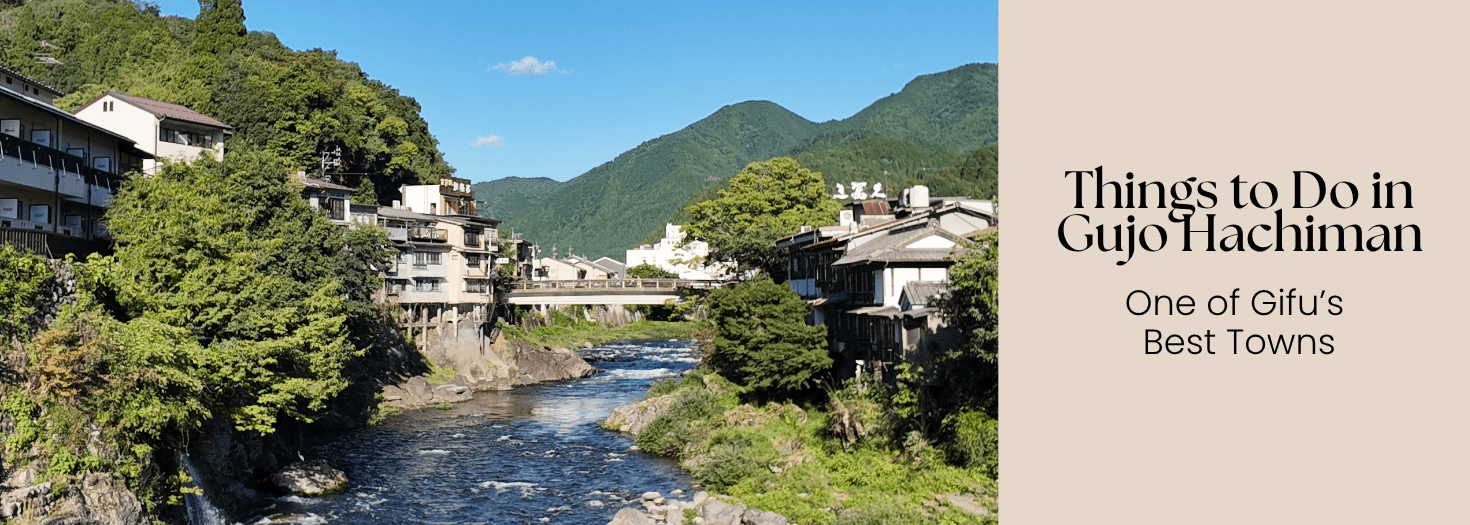
Things to Do in Gujo Hachiman: One of Gifu’s Best Towns
Table of Contents
- How Did You Visit Gujo Hachiman?
- Things to Do in Gujo Hachiman: A Cheat Sheet
- Where Is Gujo Hachiman, Japan?
- The Best Things to Do in Gujo Hachiman
- 1. Wander through the historic town and its waterways
- 2. Meet local artisans and discover traditional crafts
- 3. Try the local food
- 4. Join Gujo Odori, the town's traditional dance
- 5. Explore the countryside by e-bike
- 6. Visit Nagataki Hakusan Shrine
- 7. Walk to Amidaga Falls
- 8. Swim in the Nagara River
- 9. Discover the wider Gifu region
- How Long Should You Spend in Gujo Hachiman?
- Where to Stay in Gujo Hachiman
- When Is the Best Time to Visit Gujo Hachiman?
- Is Gujo Hachiman Worth Visiting on a First Trip to Japan?
- FAQs
There are places you visit because you've always wanted to see them, and then there are places you discover (almost) by accident and end up talking about and recommending to quite literally anyone who will listen. Gujo Hachiman was very much the latter for me. If you're looking for things to do in Gujo Hachiman, there's plenty to fill a good few days here – and the best part is that you don't have to rush between attractions to enjoy it.
How Did You Visit Gujo Hachiman?
I'd never heard of this little town in Gifu before my hosted trip to Japan, but it very quickly became one of my favourite stops, if not my absolute favourite. With its narrow streets, clear waterways, traditional houses and beautiful green mountain scenery, it felt world apart from the bright neon lights and busy crossings most people associate with Japan.
As part of a specially guided itinerary organised by Essential Japan, with support from the local tourism team, Amelia, one of our Personal Travel Concierges at Destinology, and I had the chance to explore Gujo Hachiman and the surrounding countryside. We wandered through the historic town, learned about local crafts and food, joined in with a traditional dance and headed into the mountains to discover shrines and waterfalls.
Things to Do in Gujo Hachiman: A Cheat Sheet
- Where is it? A historic castle town in Gifu Prefecture, central Japan, surrounded by forested mountains and known for its clear waterways.
- Best for: Travellers who love traditional Japanese culture, local crafts, history, food and quieter countryside destinations.
- How long to stay: One full day is enough to explore the main town, but I’d recommend one or two nights to enjoy the slower pace and explore further afield.
- Getting there: Reachable by train via the Nagaragawa Railway or by highway bus from Nagoya and Gifu.
- Getting around: The historic centre is best explored on foot, with narrow streets, canals, small shops and traditional buildings to discover along the way.
- Don't miss: Gujo Hachiman Castle, the town's waterways, a food sample-making workshop and, if you're visiting in summer, Gujo Odori.
- Local specialities: Hida beef, handmade soba noodles, river fish and regional sake.
Best time to visit: Spring and autumn are lovely for walking, while summer is festival season, when Gujo Odori brings the town to life. Autumn foliage around the castle is particularly beautiful.
Where to stay: Sekisuien for a comfortable base, or Nakashimaya for a more traditional, intimate Japanese inn experience.
Who will love it? Couples, culture lovers, curious foodies and repeat visitors to Japan looking to venture beyond the usual Tokyo–Kyoto route.
Where Is Gujo Hachiman, Japan?
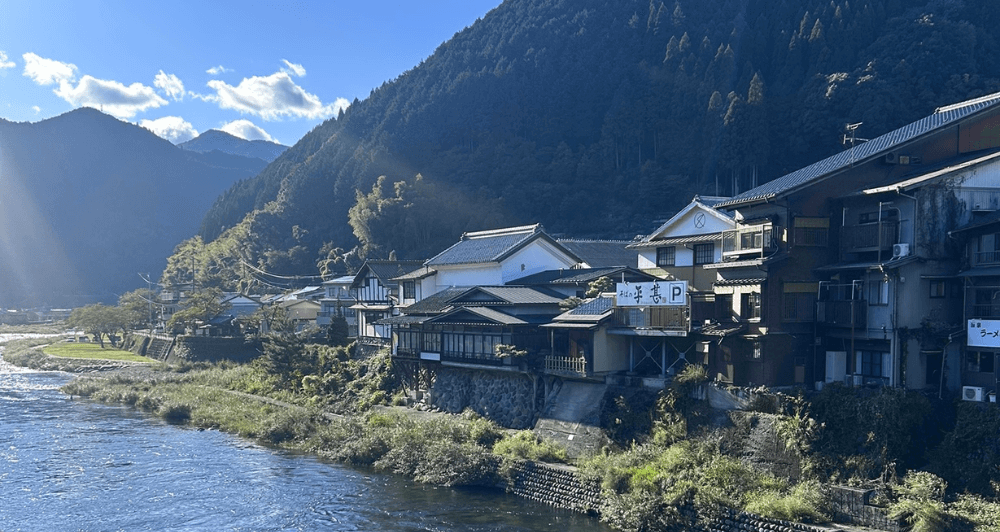
Gujo Hachiman is a historic town in Gifu Prefecture in central Japan. It’s entirely surrounded by mountains and hills, and the town is shaped by its waterways, meaning it has a character quite different from the country's major cities.
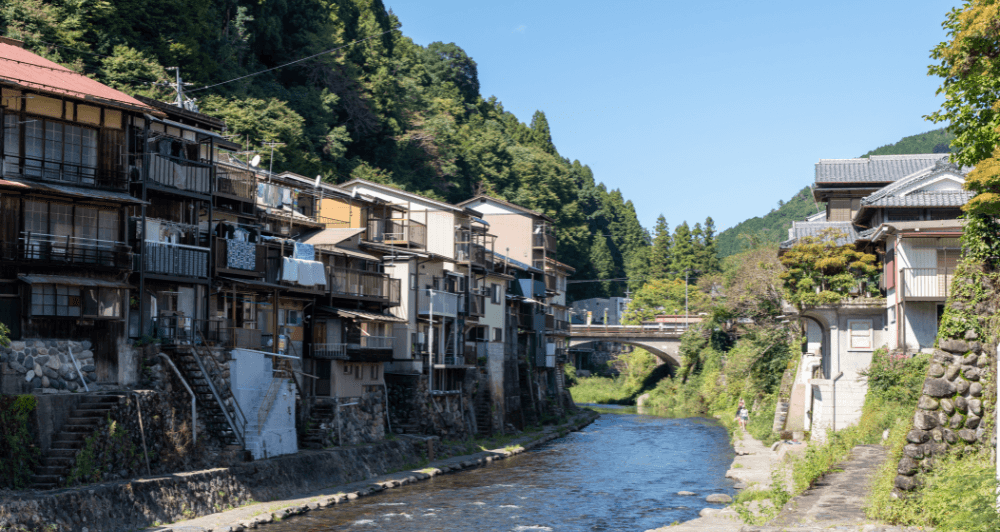
Water is absolutely everywhere. Small channels run alongside streets and houses filled with the largest koi you will ever see, and the town's clear streams are part of its everyday identity. There’s a tier system, so tier one is water for drinking and cooking, the second is used for cleaning vegetables, or clothes and household utensils, and the third is where the fish eat the leftovers... or the food you can buy to feed them. These waterways make for a wonderful soundtrack to your daily explorations. Gujo Hachiman is also known for its traditional crafts, local food culture and Gujo Odori, a dance festival with a history stretching back centuries.
For visitors planning a trip through central Japan, Gujo Hachiman is the perfect stop between the bigger destinations. It can be combined with the Nagara River region, Shirakawago and Kanazawa, just like we did, which gives you a chance to explore a quieter side of the country before continuing towards cities like Kyoto or Osaka.
Gujo Hachiman is one of those hidden gems in Japan that may not be on every first-time visitor's list, but it absolutely should be – it’ll show you a different side to the country than you’re expecting.
The Best Things to Do in Gujo Hachiman
Here are the experiences I’d recommend adding to your Gujo Hachiman itinerary, including a few highlights that made our own visit so memorable.
1. Wander through the historic town and its waterways
The easiest way to get to know Gujo Hachiman is to put your map away for a little while and simply explore on foot.
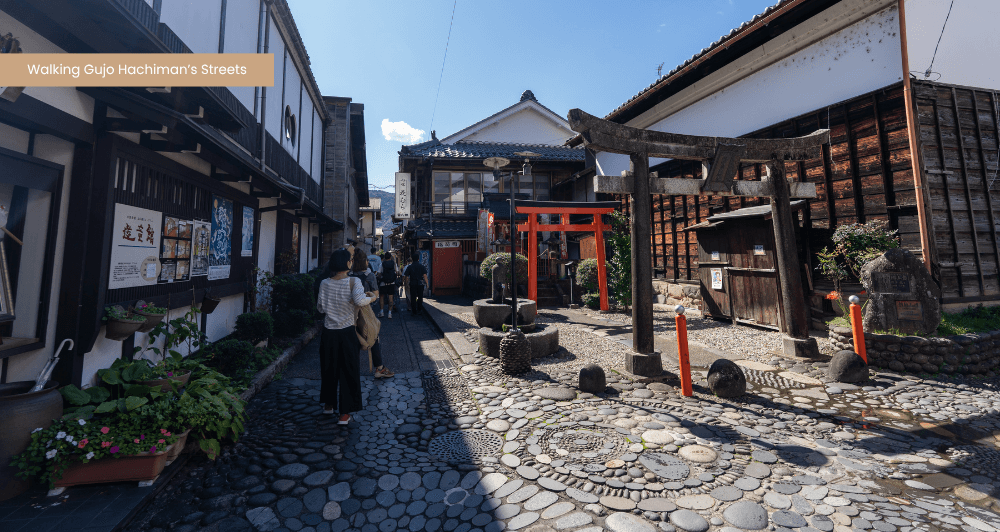
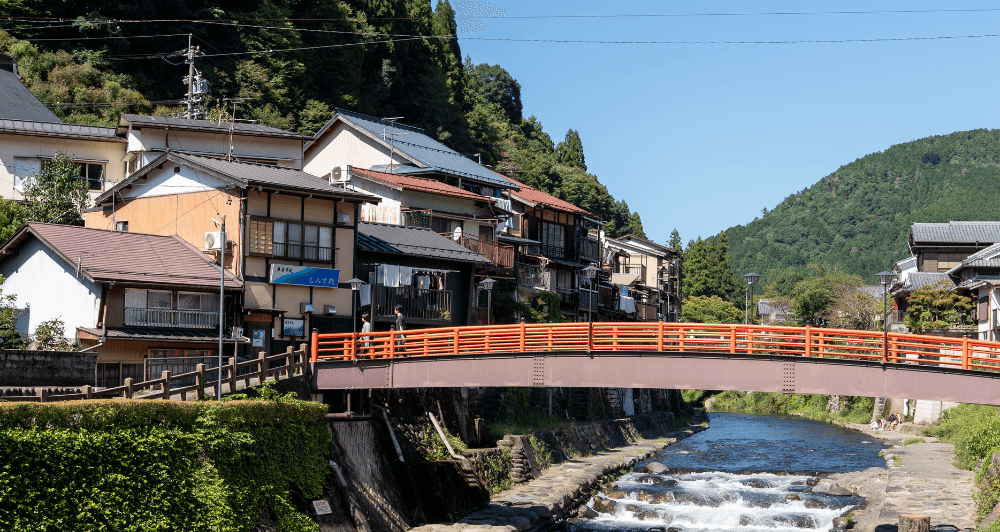
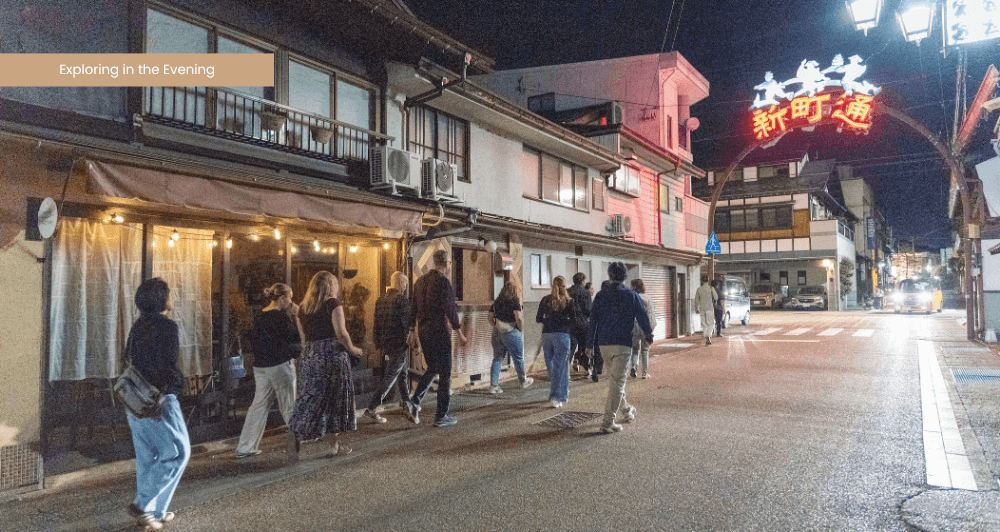
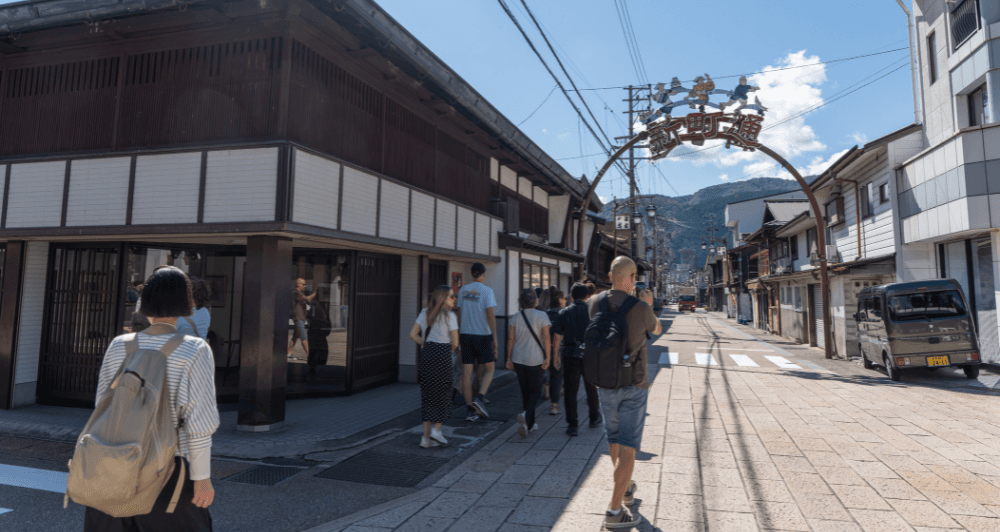
As we stepped off the bus in the town’s main carpark, we almost instantly began a walking tour that took us through the historic streets, past traditional buildings, little shops and waterways that are such a distinctive feature of the town. Just like the Nagara region, the water is remarkably clear as it descends from the nearby mountains, and you can see why it plays such an important role in the area's identity.
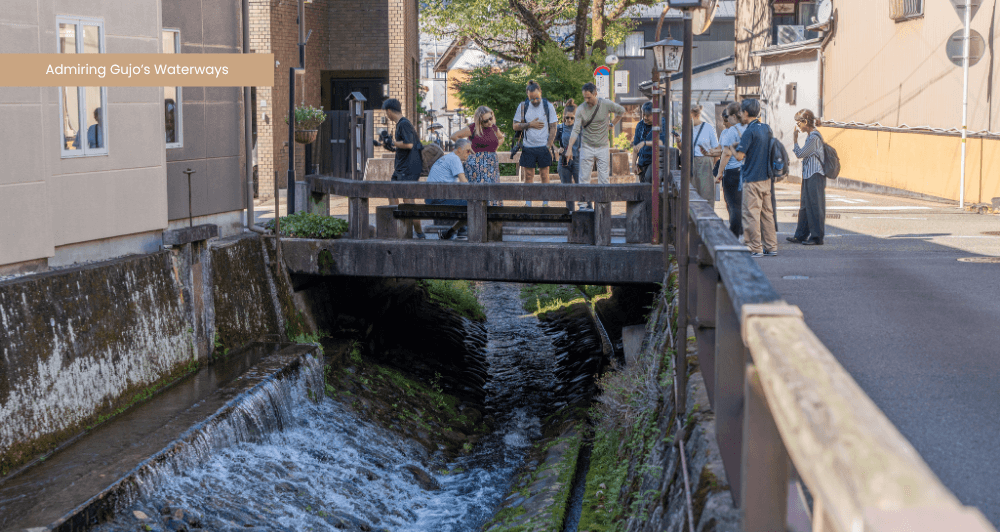
Gujo Hachiman has absolutely none of the crowds that you encounter in - and can often define - Kyoto or Tokyo. The streets and paths we walked were usually empty save for our group, with little to no western visitors, either. We had plenty of time and space to stop, look around and appreciate the small details, rather than feeling we needed to hurry on to the next attraction or squeeze our way towards a viewpoint or landmark being admired by hundreds of others.
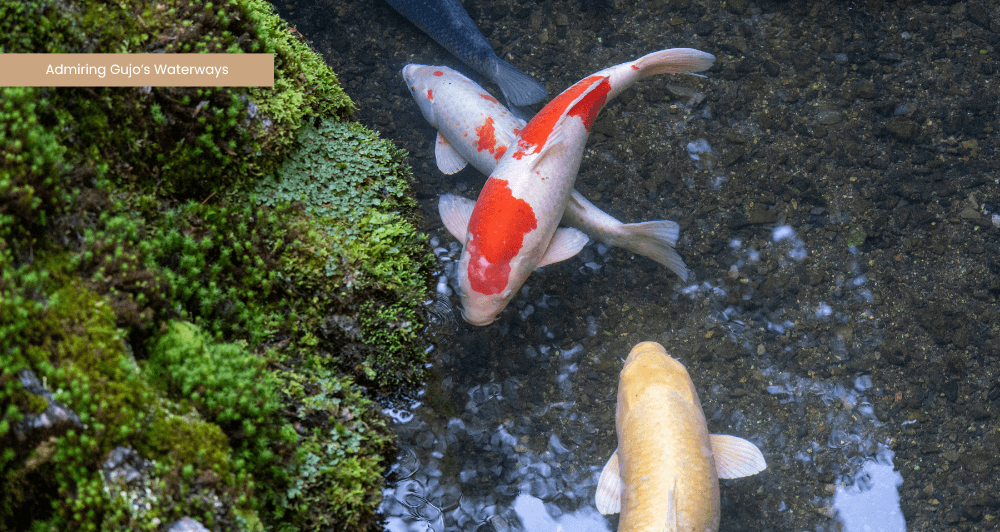
The town's waterways are more than just a pretty backdrop, too. They reflect the way local life has developed around the surrounding rivers and mountains. Take your time here and you'll notice lots of hidden details in Gujo Hachiman that you might otherwise walk straight past – like Igawa Lane, where the colourful koi carp congregate, or the site of Japan’s first designated Meisui site, where the spring water from the mountain naturally bubbles upwards.
For me, this is one of the most rewarding things to do in Gujo Hachiman precisely because it's so simple. You don't need a packed schedule to enjoy the town.
2. Meet local artisans and discover traditional crafts
Gujo Hachiman has a very strong craft heritage, and our visit included time to meet local makers and learn about the skills and traditions that have been carefully passed down through generations.
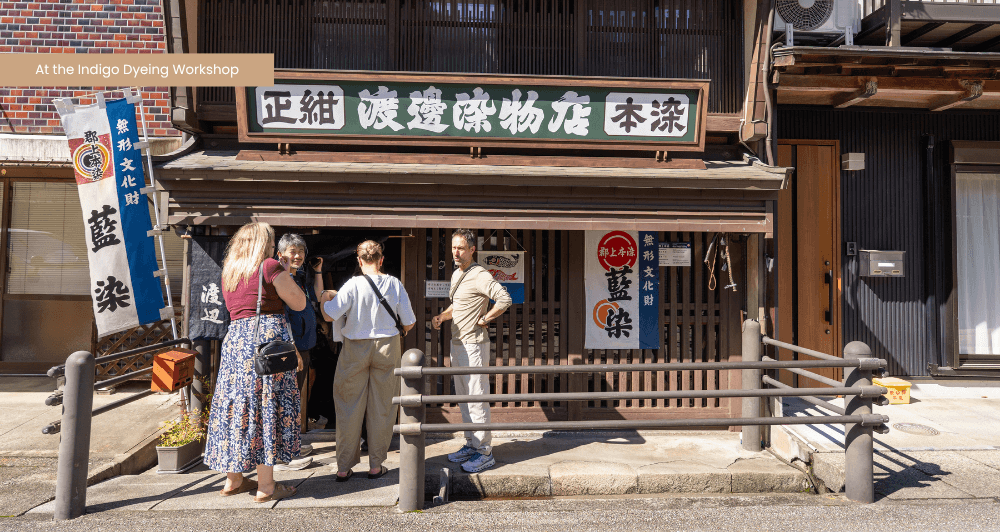
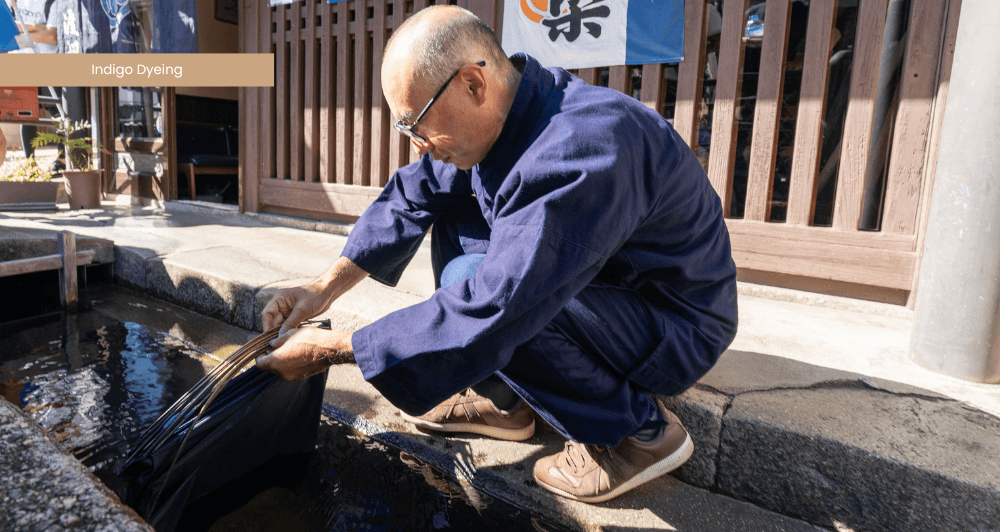
Our first artisan visit took us to a traditional indigo-dyeing workshop, which had been in the same family for what I believe was around seven generations. The way the workshop managed its water was one of the details I liked the most – as indigo dye needs to be rinsed from the fabric, the owner had a dedicated channel of water running directly to the workshop, allowing the dye to be washed away without contaminating the water used by homes and businesses further downstream. You see this everywhere in Japan – practical knowledge and consideration for others.
One of the more unusual traditions we encountered was food sample-making. If you've ever noticed the realistic-looking dishes constantly displayed outside Japanese restaurants, this is the sort of craft behind them. Seeing how the samples are made - and the minute detail involved - gives you an appreciation for something you’d probably barely notice otherwise.
Not everyone spoke English, so translation helped us understand the techniques and stories behind their work, but their pride in keeping these skills alive came across regardless.
I'd recommend looking for a guided artisan visit if you're interested in culture beyond the usual temples and museums. These kinds of experiences can make the destination feel much more personal, especially when you have someone to explain the history and significance of what you're seeing.
3. Try the local food
Food is always one of the best ways to get to know somewhere, and Gujo Hachiman gave us a taste of the flavours that define this part of Gifu.
Hida beef is one of the region’s standout ingredients: premium wagyu known for its marbling and rich flavour. One traditional way to enjoy it is Hoba Miso, where the beef is grilled on a magnolia leaf with miso, giving the dish a distinctive and savoury depth. You can also find it served in set meals with rice and noodles. Another local speciality to look out for is tsugijiru, a clear soup made with a broth of kelp and dried shiitake mushrooms, with cubes of tofu. And, given the region’s mountain streams and clean water, it’s little surprise that handmade buckwheat soba noodles feature on local menus, served either chilled or in warm broth.

Outside of traditional dishes, during a walk tour one day we opted to have lunch at Pizzeria Gonza, which is actually one of the most authentic Neapolitan pizzerias I’ve seen outside of Naples. You’d never expect to find such good pizza in the Japanese countryside, with interiors reflecting southern Italy so well, but that’s all part of the fun of travelling: sometimes one of your favourite meals is one you never saw coming.
When planning things to do in Gujo Hachiman, I’d leave room for a guided food experience rather than relying solely on restaurants you find online. Though the advice online will be good, a local guide can add layers to the experience: origin stories of certain dishes, a trip to their own favourite restaurant, an interaction with a local you may never be able to converse with otherwise. Whether you’re trying regional specialities like hida beef or stumbling across a new and unexpected favourite, local knowledge can lead you to places and flavours that lots of people miss.
4. Join Gujo Odori, the town's traditional dance
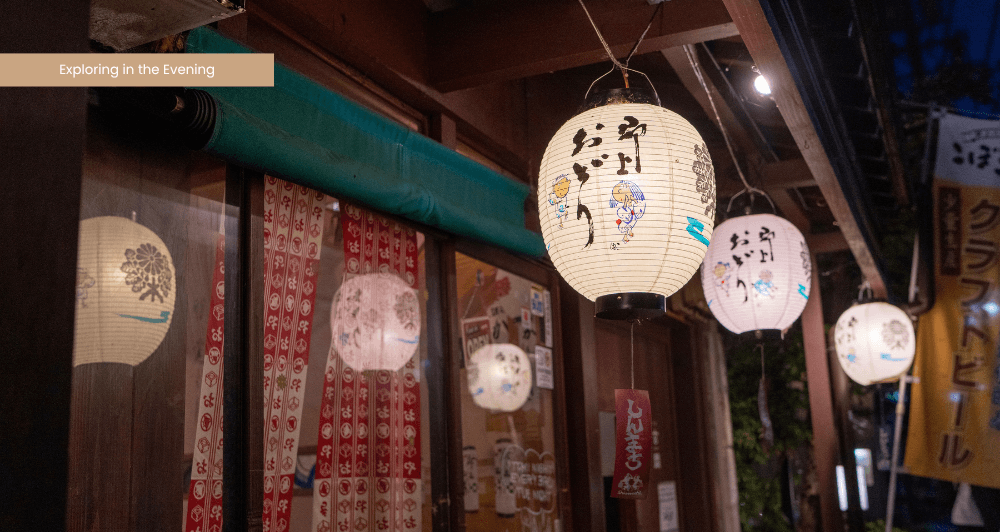
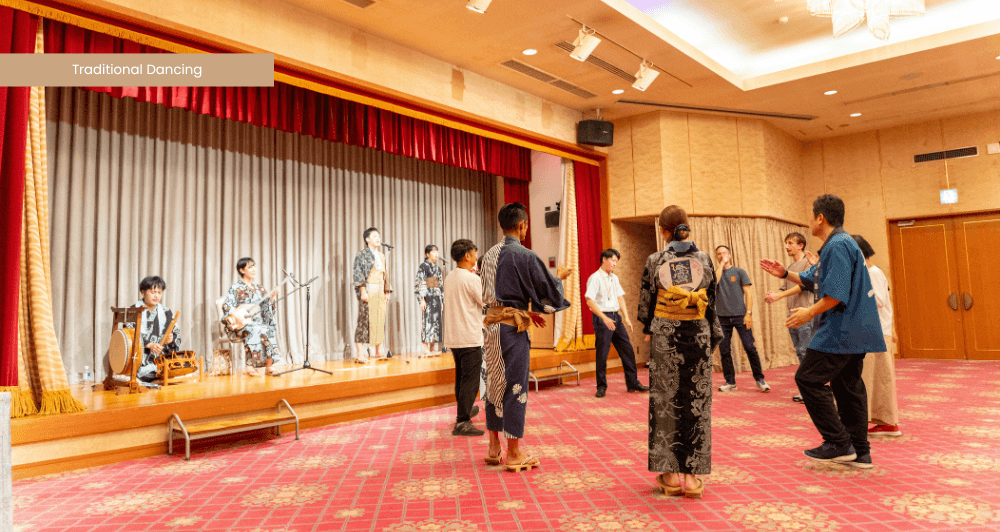
Gujo Odori is one of Gujo Hachiman's best-known traditions. The dance festival has roots that stretch back centuries, and it brings people together to dance in circles to live music.
We had the chance to experience the dancing ourselves, with musicians playing the flute, taiko drum and shamisen, which is a traditional three-stringed instrument. The rhythm was simple but infectious, and the steps were much easier to follow than I'd expected.
Before long we were all joining the circle with local dancers, and it was great to take part in something that belongs to the town and its people, rather than just watching from the sidelines. If you're lucky enough to visit when Gujo Odori is taking place, it's well worth looking into the events available during your stay. Dates and arrangements vary, so check locally before travelling. Even outside the main festival period, learning about the dance helps explain an important part of Gujo Hachiman's identity.
5. Explore the countryside by e-bike
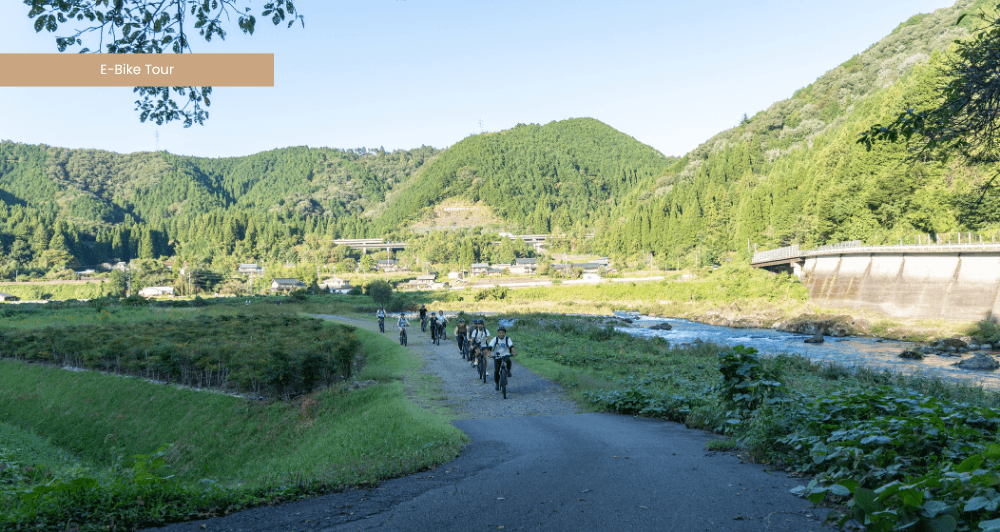
Gujo Hachiman isn't just about the historic centre. Head out into the surrounding countryside and you'll find mountain scenery, riverside routes and a much quieter, slower pace of life.
Amelia took part in the cycling excursion during our visit. The experience included travelling upstream by train before continuing by e-bike, visiting Nagataki Hakusan Shrine and enjoying a barbecue lunch at a traditional fish weir. In total the group cycled around 30 kilometres!
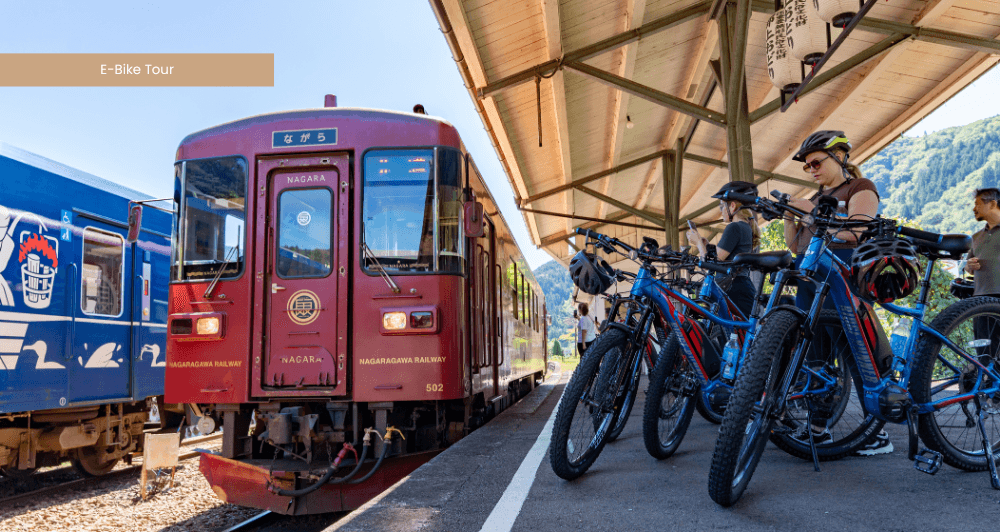
It's a brilliant option for active travellers who want to cover more ground while enjoying the scenery, especially on a clear-skied, sunny day. An e-bike makes the route a lot more accessible than a standard bicycle with a little extra power behind you, although it's still worth checking the distance and terrain to make sure it suits your fitness level.
I chose to explore on foot instead as I'm not particularly confident cycling on roads. That was one of the things I liked about Gujo Hachiman: there were different ways to experience the same region depending on what you felt comfortable doing.
If cycling appeals to you, our team of Personal Travel Concierges can advise on the different routes available and what this type of tour typically involves before booking. It's one of the things to do in Gujo Hachiman that can turn a town visit into a full on countryside adventure – a side to Japan few ever see.
6. Visit Nagataki Hakusan Shrine
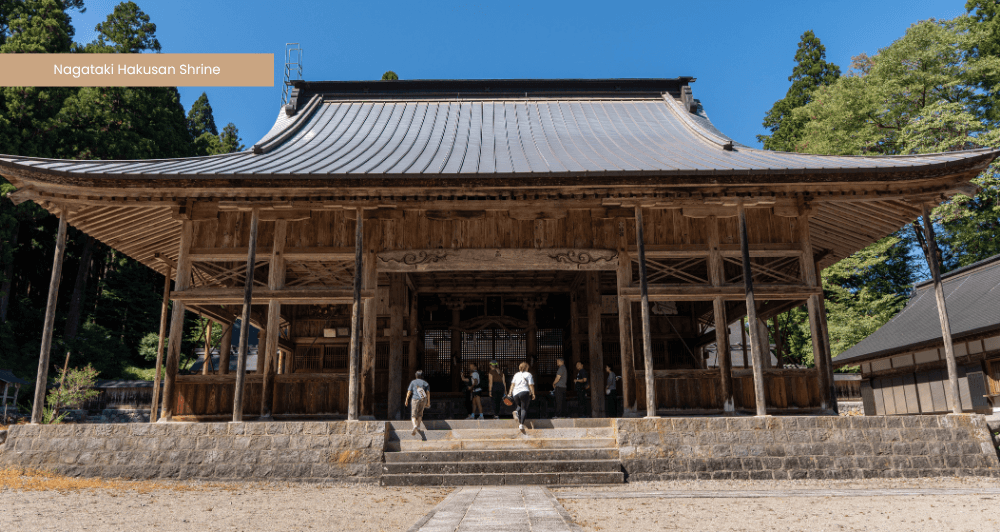
Our walking excursion took us to Nagataki Hakusan Shrine, where our guide, Joshua, explained the significance of Hakusan mountain worship and its place in rural Japanese culture. In Japan, mountains have long been seen as sacred places, believed to be home to powerful spirits and deities. This reverence is particularly clear around Mount Hakusan, one of Japan’s three sacred mountains, which has been an important centre of religious pilgrimage for centuries. Hakusan worship blends elements of Shinto, Japan’s indigenous spiritual tradition, with Buddhist beliefs, and reflects the historic relationship between the natural world and spiritual life.
The shrine was completely surrounded by lush green countryside, and it was so quiet that the calls of birds and the rustle of leaves were really the only sounds. Before entering we learned about the purification ritual of washing our hands and mouth, a small but special part of preparing to visit a sacred site.
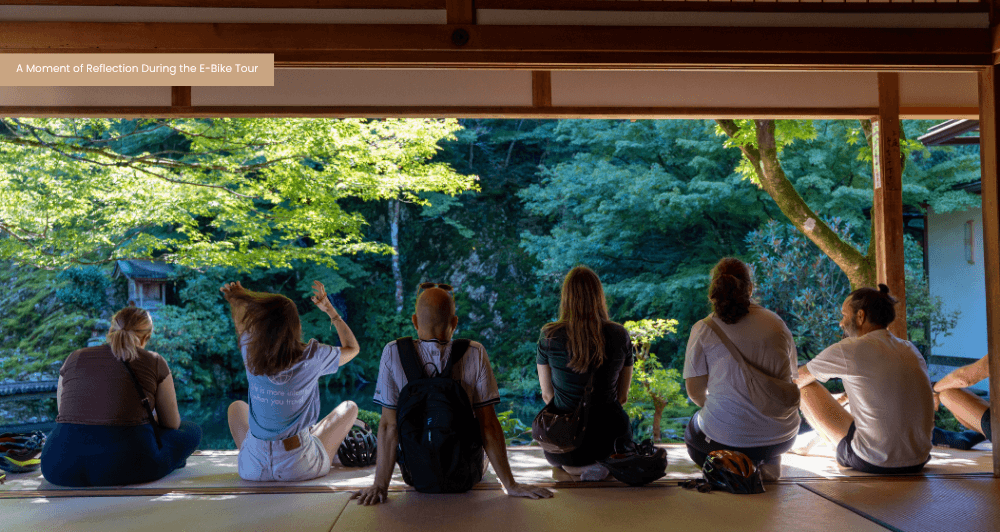
Joshua’s explanations helped us understand more about the area's spiritual history and why the mountains hold such significance for local communities. Without that context, we probably would have simply admired the setting and moved on, missing the centuries of belief woven into the landscape. This is one of the reasons I recommend exploring rural Japan with a knowledgeable local guide. The scenery is beautiful on its own, but understanding the traditions, stories and mountain worship that shape a place gives the experience a completely different depth.
7. Walk to Amidaga Falls
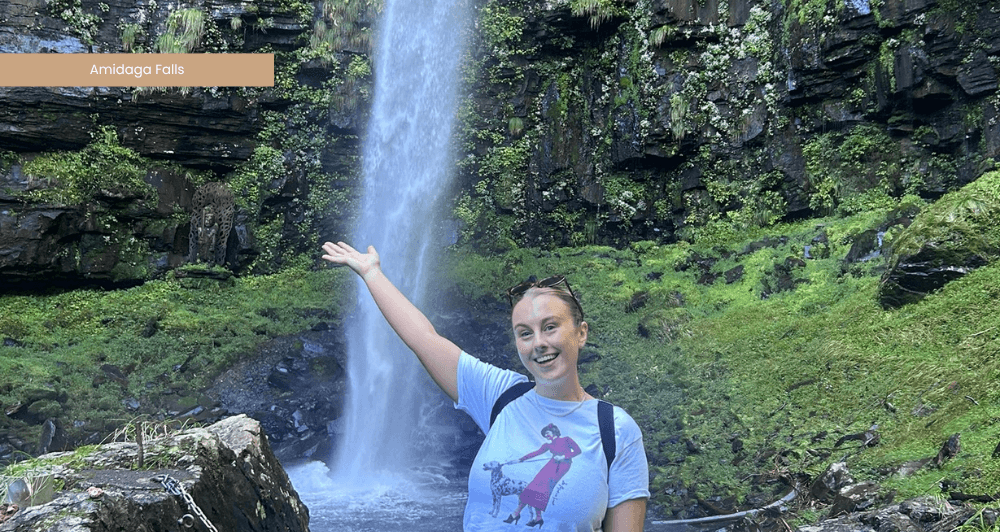
If you enjoy getting outdoors, the countryside around Gujo Hachiman has some incredibly memorable walking experiences. We continued our excursion towards Amidaga Falls, a 60-metre-high waterfall recognised in Japan’s top 100. It’s an easy walk for those comfortable navigating gentle mountain trails, though on our way back down the river had overtaken part of the path. To get through we had to take off our shoes and socks and paddle through the freezing water descending from the mountain! It was cold but completely worth it. Our guide told us that at a certain time of the year, you can enjoy nagashi somen further up the hill, where you can eat noodles rinsed in the water flowing down from the mountain.
While we stood before the waterfall, completely surrounded by the Japanese countryside with nobody else there, my mind went to how unlikely it was that anyone else from my little corner of England had ever stood in that exact spot. It was one of those moments that makes you realise just how far travel can take you, not just geographically but into experiences you might never otherwise have imagined.
The route and river conditions will always vary depending on the seasons, so make sure to check local advice before setting off, especially if you’re without a guide, and make sure you have suitable footwear and clothing. But if the conditions allow, the surrounding countryside is a wonderful reason to spend longer in the area.
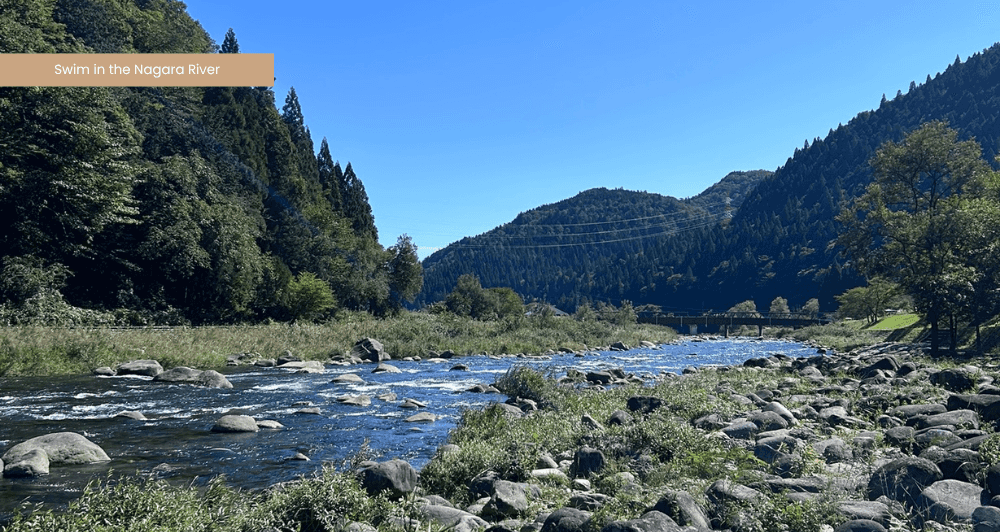
8. Swim in the Nagara River
The Nagara River is very closely connected to the wider region's identity, and we had the chance to experience it from a rather different angle: by swimming in its clear water.
After our countryside walk we chose to take a dip in the river, whose waters flow down from Mount Dainchigatake. In certain places it looks a little like Canada or Alaska, and it was absolutely freezing, but it was so nice and refreshing after a day outdoors. It felt a million miles away from the city experiences people often associate with Japan. There was no queue and there was certainly no big attraction to tick off – just the river, the scenery and the chance to enjoy being there.
Swimming access and conditions depend on the location, weather and season, so always follow local guidance and only enter the water where it's both permitted and safe. Locals also fish in the river in certain spots, so be mindful not to disrupt them either.

9. Discover the wider Gifu region
One of the lovely things about staying in Gujo Hachiman is that it gives you a base for exploring more of Gifu Prefecture. Our wider itinerary included the Nagara River region, where we experienced traditional cormorant fishing after dark. We boarded a boat, enjoyed dinner on the river with the entertainment of two geishas, and watched the fishing boats illuminated against the night sky. It was a very special introduction to a tradition that has been practised locally for centuries.
The region also has a strong connection to traditional crafts, including the making of paper umbrellas - wagasa - and washi paper lanterns. If you're interested in these experiences, you should definitely allow yourself more time to explore beyond Gujo Hachiman itself.
You could also combine the area with a visit to Shirakawago, like we did, famous for its traditional gassho-zukuri farmhouses, before continuing to Kanazawa. This gives you a varied route through central Japan, with historic towns, rural scenery, local food and cultural encounters along the way. If you’d like to learn more about our full itinerary, you can do so here. It’s something our Personal Travel Concierges can replicate if you’d like to follow a similar route.
For anyone searching for hidden gems in Japan, Gifu is well worth exploring rather than simply passing through - like most do - on the way to somewhere more ‘well known’.
How Long Should You Spend in Gujo Hachiman?
I'd recommend allowing at least two full days in Gujo Hachiman, with more than one overnight stay if your schedule permits. That gives you time to explore the historic centre, try a few different spots for local food and karaoke, and enjoy an organised cultural experience or two without rushing. You could spend one day discovering the town itself and another heading out to the shrine, waterfalls or riverside routes.
The right amount of time really depends on your interests, but I'd avoid treating Gujo Hachiman as a quick photo stop. It's the kind of place that you need longer to explore, and you’ll be so grateful for choosing to do so.
Where to Stay in Gujo Hachiman
The hotel we stayed at in Gujo Hachiman was called Sekisuien, and it made for a very convenient base for exploring the town and surrounding countryside. There’s a free shuttle for guests between the hotel, Gujo Hachiman station, the town’s plaza and the interchange, so you don’t need to worry about getting around once you’re there. Our rooms were a comfortable blend of modern convenience and Western-style comforts, with spacious bathrooms and everything we needed to unwind after busy days exploring.
Breakfast was a Japanese affair, which was a lovely way to start the day and try something different. There were also a couple of familiar options, including bread rolls, croissants and jam, and coffee, or you could venture out to discover the local cafés instead which would probably be my preference were I to visit again in future. There are so many to try!
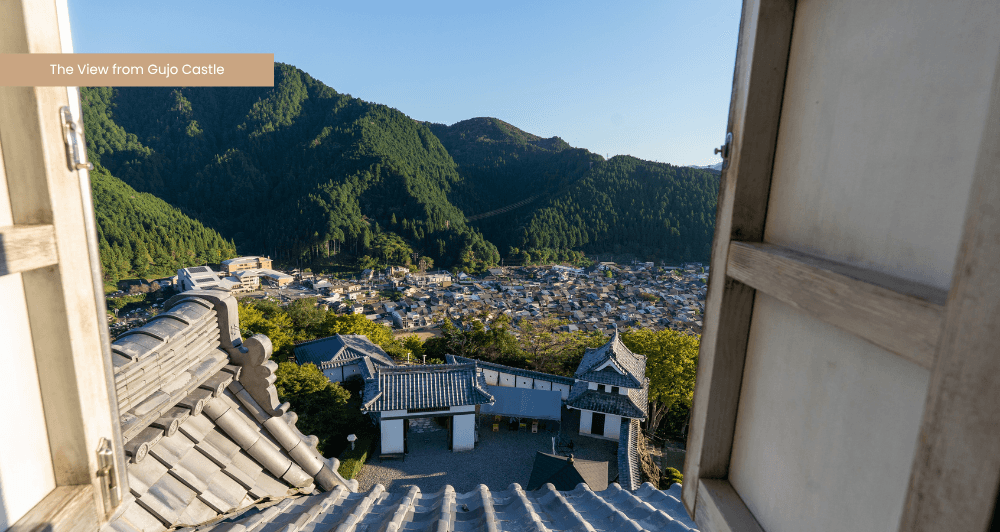
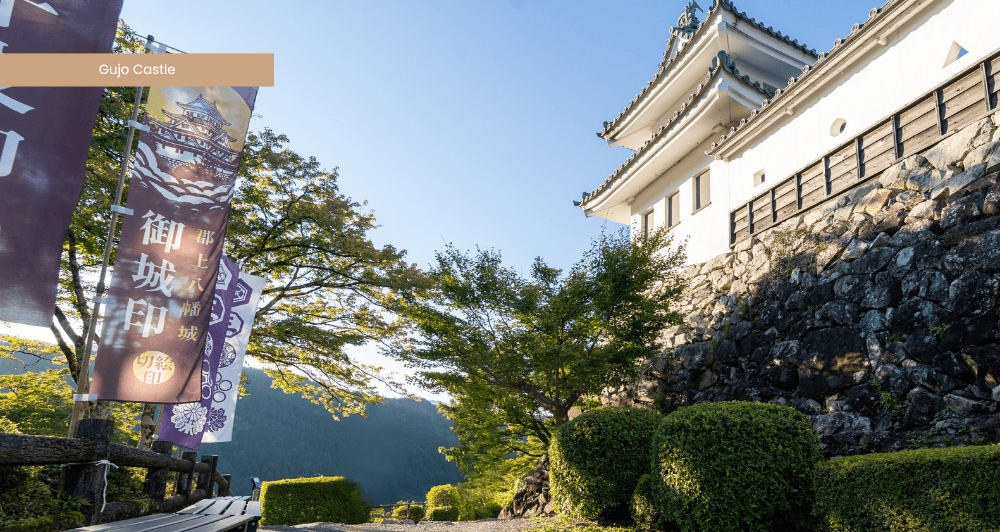
One of the best things about staying at Sekisuien is its proximity to Gujo Hachiman Castle. Walk for around 15–20 minutes behind the hotel and you'll reach this historic hilltop castle, absolutely packed with samurai history and offering incredible views across the town. Look down from above and you'll notice that Gujo Hachiman's layout almost resembles the shape of a fish – a quite fitting detail for a town so closely connected to its waterways.
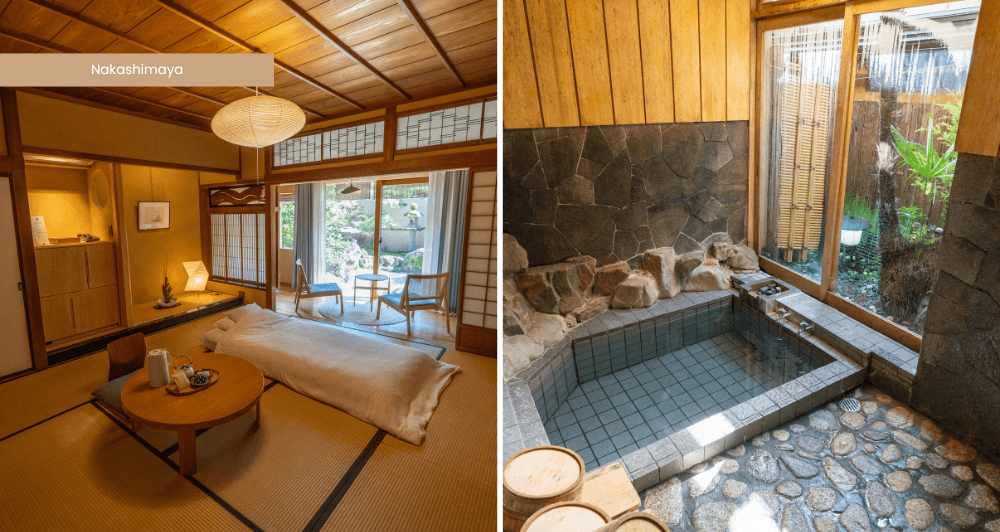
For a more traditional, boutique-style stay, I'd also recommend looking at Nakashimaya. We visited during our time in Gujo Hachiman and I thought it was a very quaint and characterful place. The inn has been welcoming guests for more than 140 years, merging traditional Japanese interiors with really lovely details and furniture made by younger local craftspeople. Some rooms look out over tiny Japanese gardens, which were just so lovely and offered a little pocket of greenery and calm – not that Gujo Hachiman is short of it. Rooms are traditionally styled with futon bedding and a choice of accommodation with private bathroom facilities or shared facilities, depending on the room. Breakfast can also be arranged, while the central location puts you within incredibly easy reach of the town's restaurants and cafés.
For me, Nakashimaya would be a lovely choice if you want to lean into the experience of staying in rural Japan while being very close to all the main areas of Gujo Hachiman – it means there’s a sense of the town's history built into the accommodation itself.
If you're building a longer Japan travel itinerary, Gujo Hachiman works particularly well as part of a route through Gifu, Shirakawago and Kanazawa. The contrast between these destinations was one of the things I loved the most about our trip, and staying locally in Gujo Hachiman gives you the chance to appreciate it in its entirety.
When Is the Best Time to Visit Gujo Hachiman?
The best time to visit Gujo Hachiman really depends on what you'd like to do. We visited in the first days of October, so the countryside was still very green and we had plenty of good weather for walking and exploring.
If you're interested in Gujo Odori, make sure to check the festival dates before booking as the main dance events take place during specific periods. For cycling and walking, choose dates that suit your preferred activities and check local conditions before setting out.
Japan changes considerably throughout the year, so there's no single perfect season. Spring and autumn are always incredibly popular for their seasonal scenery, while summer brings a different atmosphere to the rivers and countryside.
Is Gujo Hachiman Worth Visiting on a First Trip to Japan?
You should absolutely consider visiting Gujo Hachiman during a first-time trip to Japan. If your itinerary is focused entirely on Tokyo, Kyoto and Osaka, Gujo Hachiman will provide something completely different. It's a place to slow down, explore on foot, meet local artisans and experience traditions that remain part of everyday life. You won't find the same concentration of major attractions as in the big cities, but that's part of the appeal.
For first-time visitors, I'd combine Gujo Hachiman with some of Japan's best-known destinations rather than replacing them entirely. For repeat visitors, it could be part of a longer journey focused on the countryside and smaller towns of central Japan.
FAQs
What is Gujo Hachiman famous for?
Gujo Hachiman is known for its historic waterways, traditional streets, craft heritage and Gujo Odori, a dance festival with a history stretching back centuries. It's also a great base for exploring the surrounding Gifu countryside.
How many days do you need in Gujo Hachiman?
Two full days is a good starting point for exploring the town and trying some local food. If you'd like to cycle, walk to nearby natural attractions or visit local artisans, consider extending your stay, or basing your trip around Gujo Hachiman entirely.
Is Gujo Hachiman one of Japan's hidden gems?
It's certainly a lesser-visited destination compared with Tokyo, Kyoto and Osaka. Its combination of traditional streets, waterways, local crafts and countryside makes it a rewarding stop for travellers wanting to see a different side of Japan.
Can you visit Gujo Hachiman without a car?
It's definitely possible to visit Gujo Hachiman relying solely on public transport, but connections and onward travel need planning in advance. Depending on your route and activities, a local guide, organised excursion or private transfer can make exploring the surrounding countryside easier.
What are the best things to do in Gujo Hachiman for active travellers?
Walking through the historic centre, joining an e-bike excursion, exploring the countryside around Nagataki Hakusan Shrine and visiting nearby waterfalls are all good options. Check the route, terrain and local conditions before booking outdoor activities.
Can Gujo Hachiman be combined with Kanazawa and Shirakawago?
Definitely. These destinations work well together as part of a wider central Japan itinerary. You can experience Gujo Hachiman's historic streets and waterways, visit Shirakawago's traditional farmhouses and continue to Kanazawa for its gardens, teahouses and craft traditions.
Gujo Hachiman wasn't somewhere I'd ever planned to visit - or even heard of - before this trip, but it was one of my most favourite parts of my recent visit and somewhere I would absolutely love to return to one day. The waterways, the countryside, the traditional dancing and the people we met all gave us a glimpse of a side of Japan we might otherwise have missed.
If you're planning a Japan holiday and want to include somewhere a little different, Gujo Hachiman absolutely deserves a place on your itinerary.
Related Articles
You May Also Like






Why Destinology?






Our Travel Partners
Sign up to receive
exclusive offers by post.
Join our postal mailing list to unlock a world of exclusive travel content. From special offers and VIP access to new launches, to expert advice and exciting ideas for your next getaway, we’ve got holiday inspiration covered. Start your Destinology journey today.
Sign Up

Destinations

TRAVEL AWARE – PREPARING FOR SAFE AND HEALTHY TRAVEL ABROAD
The Foreign, Commonwealth & Development Office (FCDO) provide the latest travel advice by country including safety and security, entry requirements, travel warnings and health. For the latest FCDO advice please refer to travelaware.campaign.gov.uk
Current travel health information can be found by visiting travelhealthpro.org.uk/ a resource set up by the Department of Health. The advice can change on all sites so please check regularly for updates.
